
Nanogrants
Small, fast grants for students, doctoral candidates and early-career researchers at WMU: for materials, training and research trips.
Project stories
Who received a nanogrant, and what came of it.
-
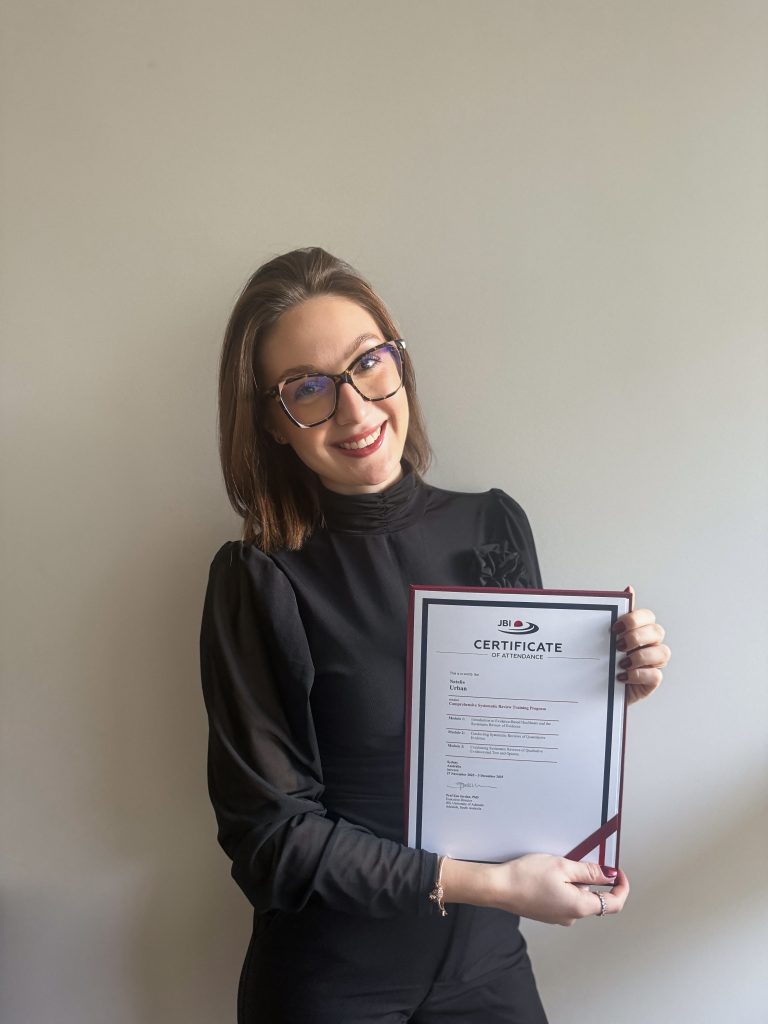 trainingtwo reviews in 2026Natalia UrbanJBI training in
preparing systematic reviews.Read the story
Nanogrant · 1st edition
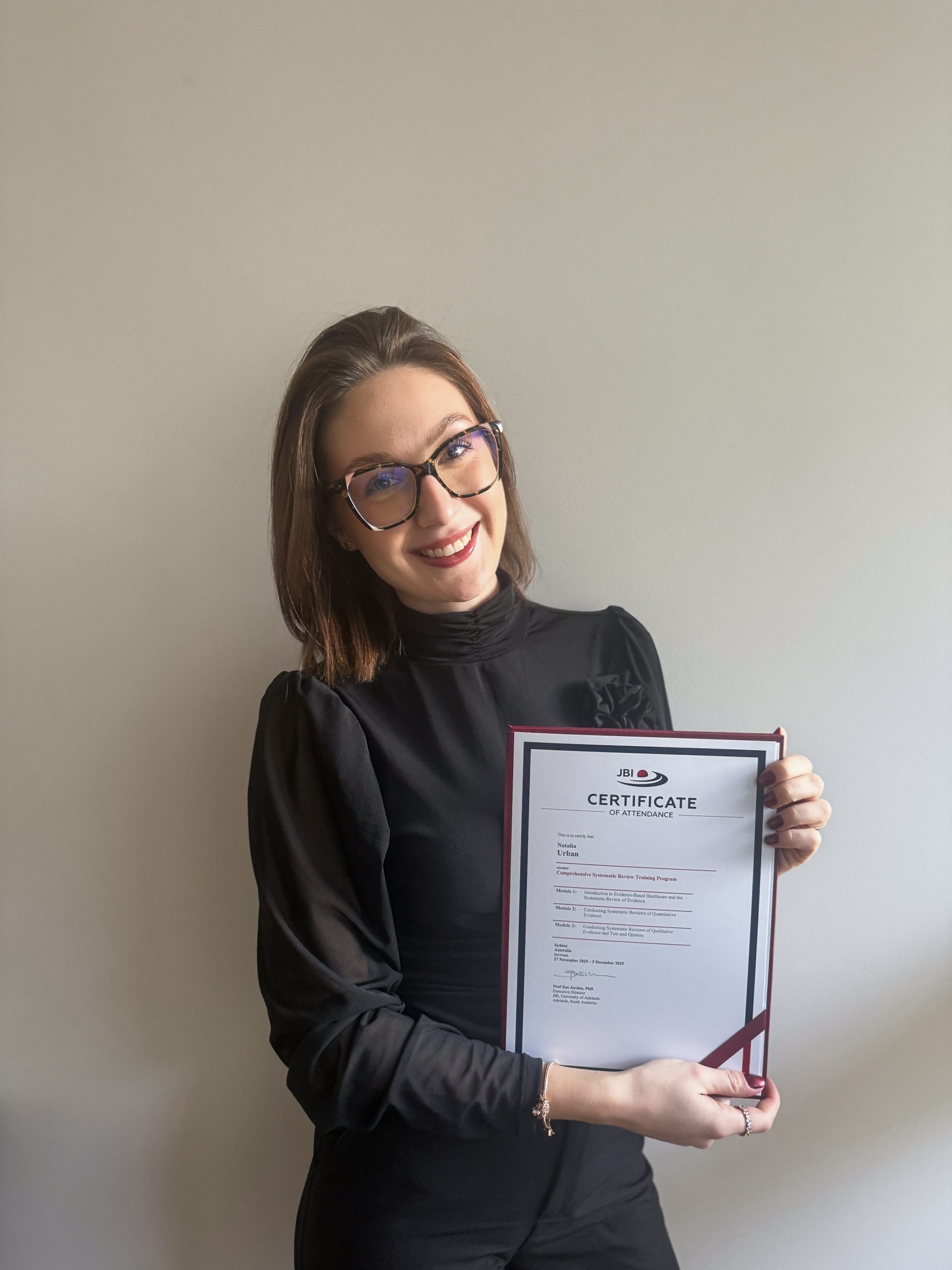
Natalia Urban
Natalia Urban took part in the JBI Comprehensive Systematic Review Training Program, which covers the whole process of preparing a systematic review with the JBI SUMARI tool.
She will use the skills in a systematic review on the effectiveness of isokinetic exercises in patients after ACL reconstruction, prepared with JBI centres in Germany and Sweden.
In 2026 two reviews she co-authored were published: a systematic review of cryotherapy after ACL reconstruction in Advances in Clinical and Experimental Medicine and a scoping review in Knee Surgery, Sports Traumatology, Arthroscopy.
ProjektJBI Comprehensive Systematic Review Training Program
Full project description
As part of the Nanogrant, I participated in the specialized JBI Comprehensive Systematic Review Training Program, which covered the entire process of preparing a systematic review using the JBI SUMARI tool. The acquired competencies in JBI methodology, literature searches, critical appraisal of studies, and quantitative and qualitative analysis will be utilized in my research activities in the health sciences, including in the Student Research Group Evidence-Based Healthcare. These skills will be particularly useful in preparing a systematic review on the effectiveness of isokinetic exercises in patients after ACL reconstruction, conducted in collaboration with international JBI centers, including the JBI Center of Evidence-Based Practice Germany at Brandenburg Medical School (Germany) and the University of Gothenburg (Sweden). The Nanogrant contributed to the development of my research skills.
-
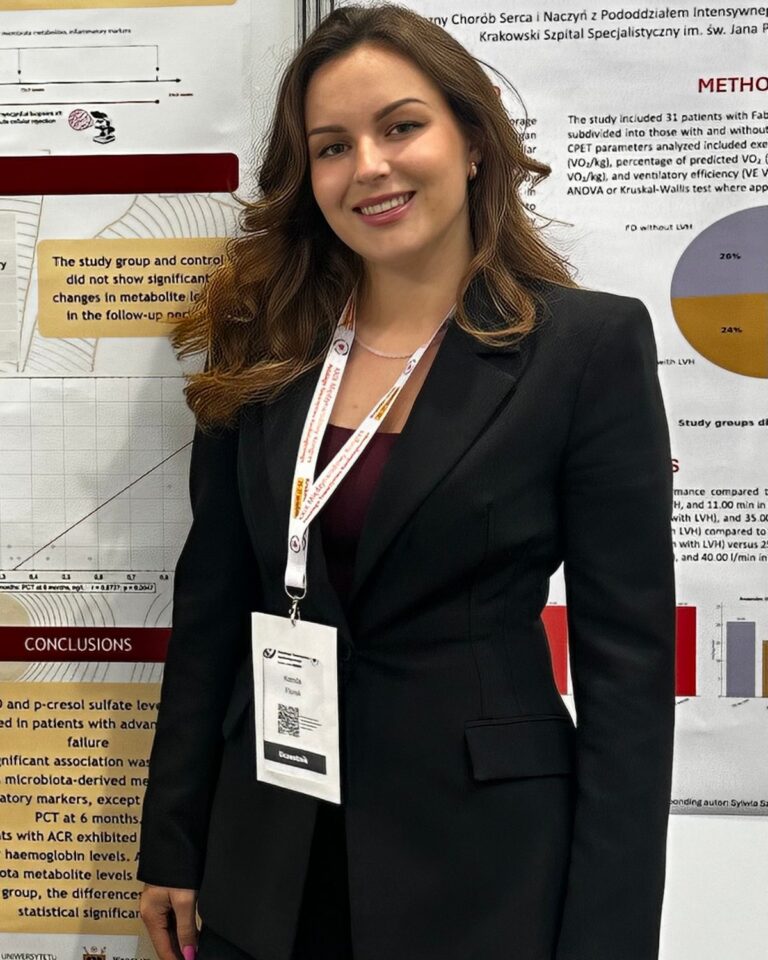 ResearchPublished in Pol Heart JKamila FlorekIs an vaccine given on
the day of discharge safe for cardiac patients?Read the
story
Nanogrant · I edition
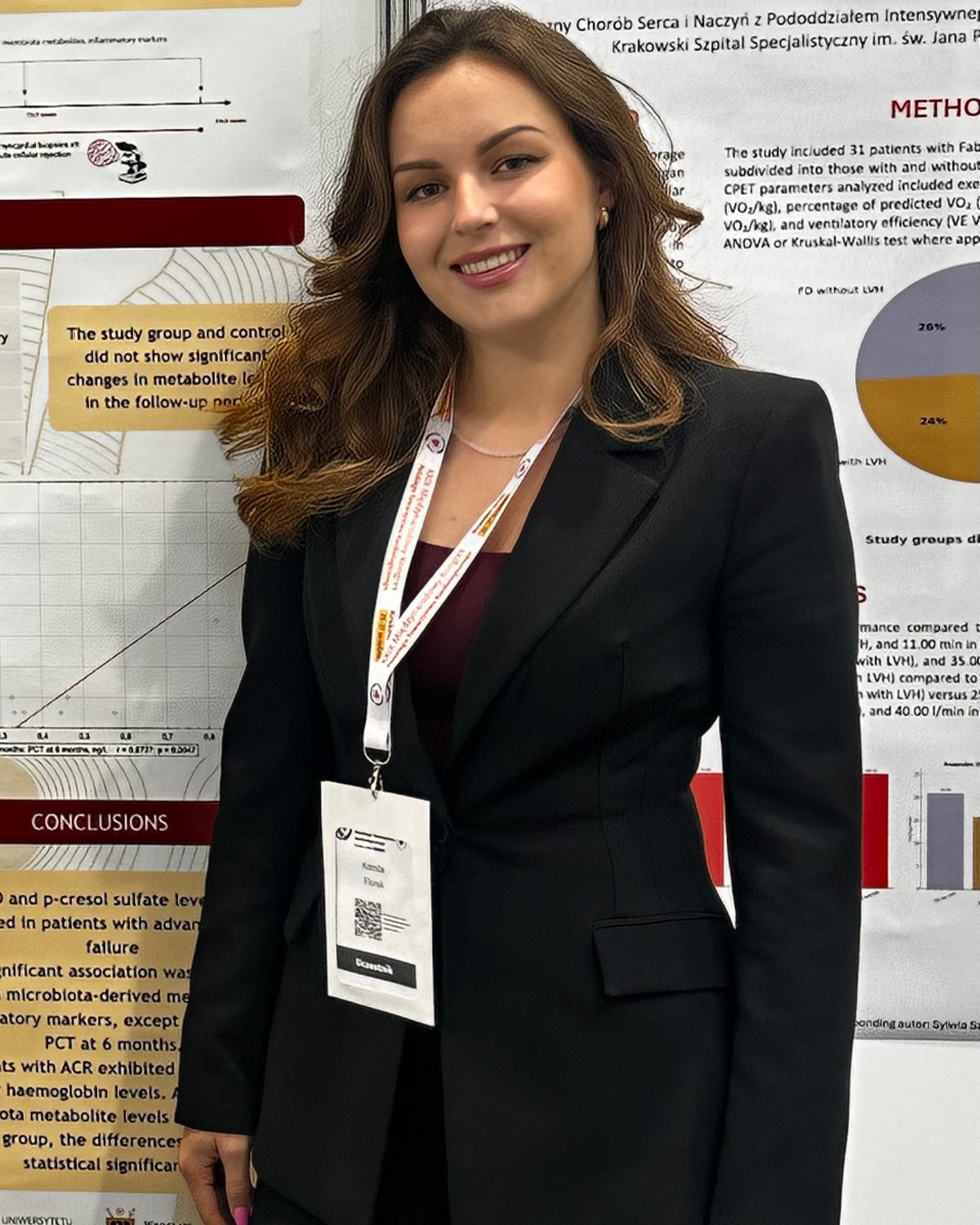
Kamila Florek
Institute of Heart Diseases
With her team at the Institute of Heart Diseases, Kamila Florek is running a randomized study. It checks whether an influenza vaccine given at hospital discharge is safe and effective in high-risk cardiac patients. The nanogrant paid for 100 vaccines for the study.
In October 2026 the Polish Heart Journal published a feasibility analysis of the study in patients after acute decompensated heart failure.
PublicationFlorek K., Szenborn L., Jankowiak B., Biegus J., Kübler P., Tkaczyszyn M. Pre-discharge influenza vaccination after acute decompensated heart failure: A feasibility analysis of a randomized study in Poland. Pol. Heart J. 2026 (online 5 October 2026).
doi.org/10.33963/v.phj.115118ProjectEvaluation whether influenza vaccination at discharge is safe and effective in reducing adverse events and mortality among high-risk cardiology patients
-
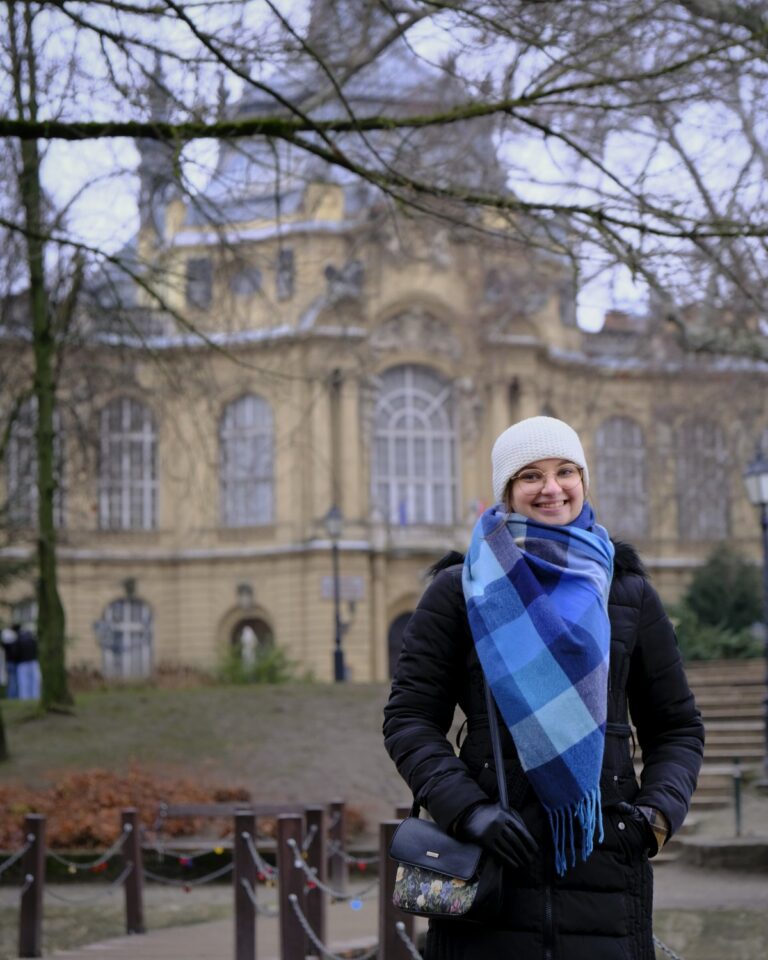 internship4 weeks in debrecenAleksandra GórzyńskaFour weeks in
Debrecen with the genomes of yeasts isolated from patients in Wrocław.Read the story
Nanogrant · 1st edition
Aleksandra Górzyńska
Department of Pharmaceutical Microbiology and Parasitology
Aleksandra Górzyńska, a doctoral student, worked from 19 January to 13 February 2026 in Dr Valter Pfliegler’s team at the University of Debrecen. She analysed the genomes of Saccharomyces cerevisiae strains isolated from infections in Wrocław and studied their traits in the laboratory. The nanogrant covered travel and meals.
She presented the results at a seminar in Debrecen, and the two teams began writing a joint paper. For 7 October 2026 her department invited Dr Pfliegler to Wrocław to give an open lecture on the genomics of S. cerevisiae.
In 2026 she received another nanogrant, this time for training: in the summer she attended the ESCMID Summer School in Budapest.
ProjectGenomic analysis of microorganisms based on the example of a collection of Saccharomyces cerevisiae strains isolated from clinical and non-clinical materials
-
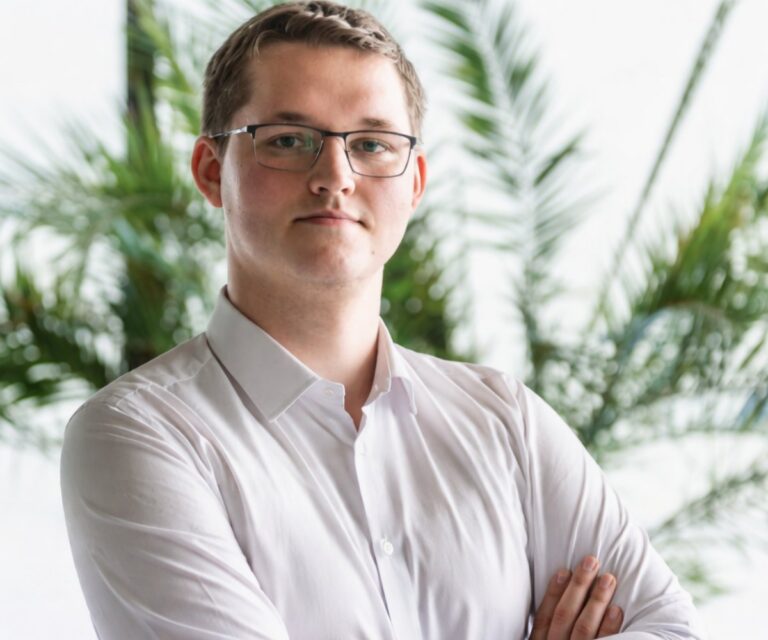 training2nd place at
OSKKKrzysztof KraikA medical statistics course from Stanford, and data analyses he now runs
himself.Read the story
Nanogrant · 1st edition
Krzysztof Kraik
medical student
Krzysztof Kraik, a medical student, took part in the Medical Statistics Program organised by Stanford School of Medicine. He learned to analyse data on his own and to work in R.
He used the new skills in a team project that won 2nd place in the scientific session of the OSKK conference in Gdańsk.
ProjectMedical Statistics Competency Development
Full project description
Nanogrant – ‘Medical Statistics Competency Development for Wroclaw Medical University Student’ enables Krzysztof Kraik, a student at Wroclaw Medical University, to attend the course ‘Medical Statistics Program’ offered by Stanford School of Medicine/Stanford Center for Health Education. The aim of this Nanogrant is to enable the acquisition of the skills required for statistical analysis of data collected during research. Participation in the course enabled the student to independently conduct statistical analyses of previously collected data, improve the overall quality of statistical analyses, and accelerate the completion of scientific research conducted by Wroclaw Medical University students.
-
 researchmaster's thesis
awardSofia RayevskaHydrogels made from a natural polymer that a 3D printer turns into
drug-loaded dressings.Read the story
Nanogrant · 1st edition
Sofia Rayevska
Department of Drug Form Technology
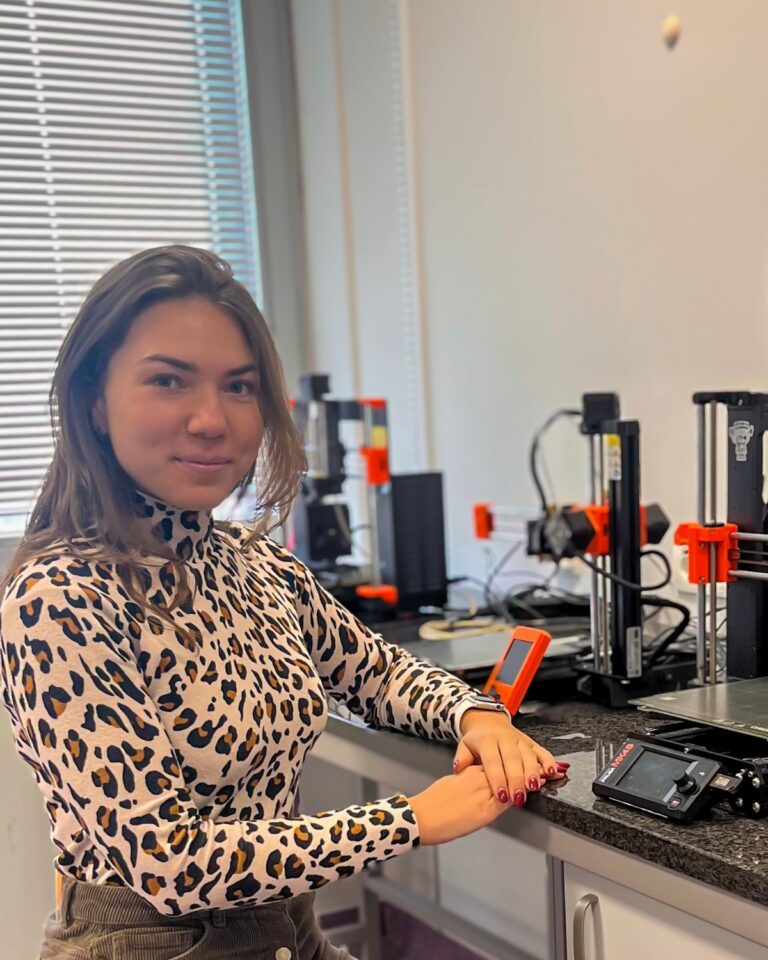
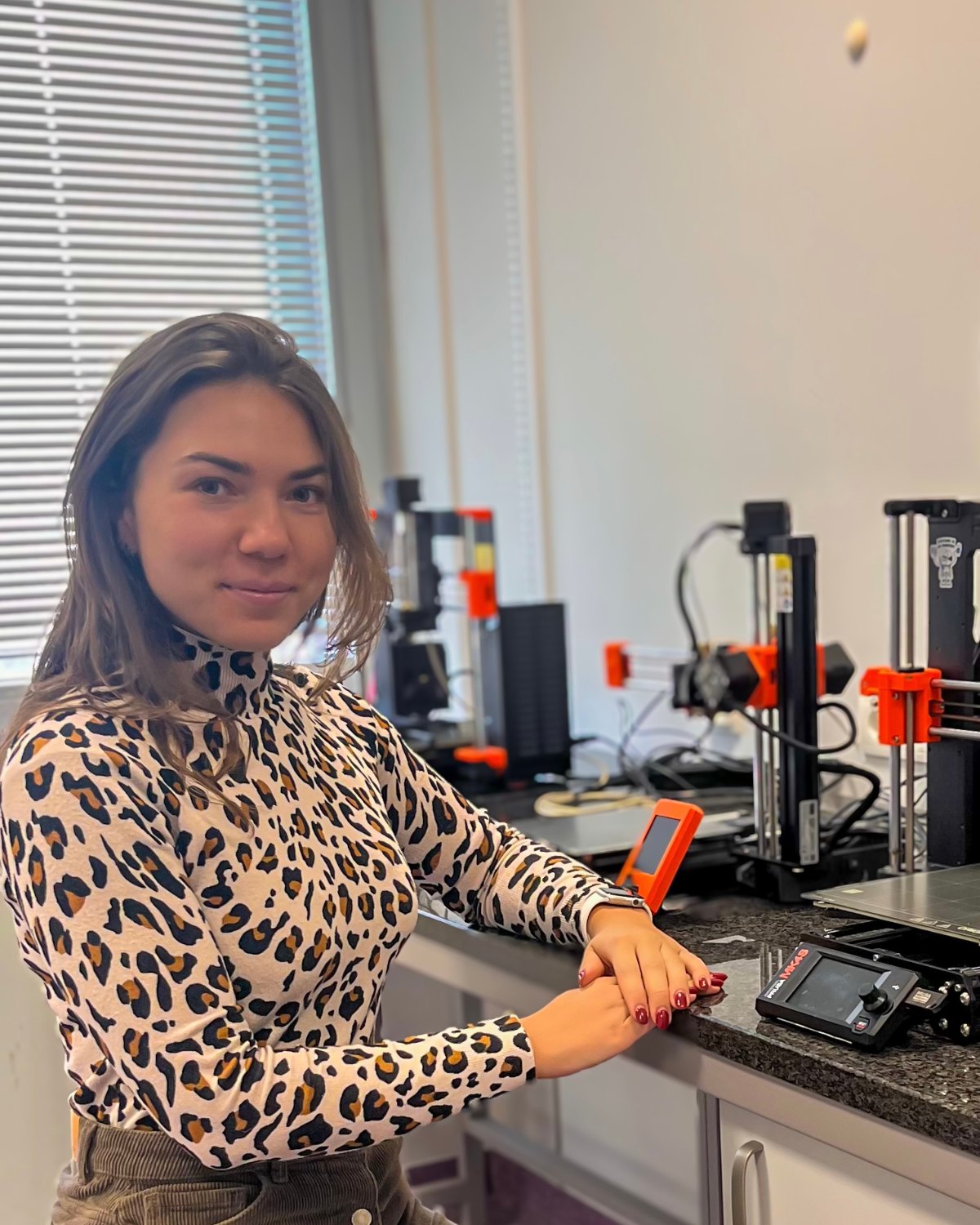
Sofia Rayevska, MPharm, develops hydrogels based on κ-carrageenan, a natural polymer, intended for dressings that carry an active substance. She adapts them to 3D printing by semi-solid extrusion (SSE), in which semi-solid materials such as gels are extruded.
Part of the work was done during an internship at the University of Pisa, at the E. Piaggio research centre. She presented the results on a poster at the 15th World Meeting on Pharmaceutics, Biopharmaceutics and Pharmaceutical Technology in Prague (March 2026).
Her master’s thesis on hydrogels processed by SSE took 2nd place in the Faculty of Pharmacy competition for the best master’s theses.
ProjectAdvanced plant-based hydrogels as biocompatible materials for creating drug delivery systems using SSE (Semi Solid Extrusion) 3D printing
-
 conferencePoster in
pragueMonika GasztychProbiotics in skin-care emulsions, presented at an international
conference in Prague.read the story
Nanogrant · 1st edition
Monika Gasztych
Department of Physical Chemistry and Biophysics
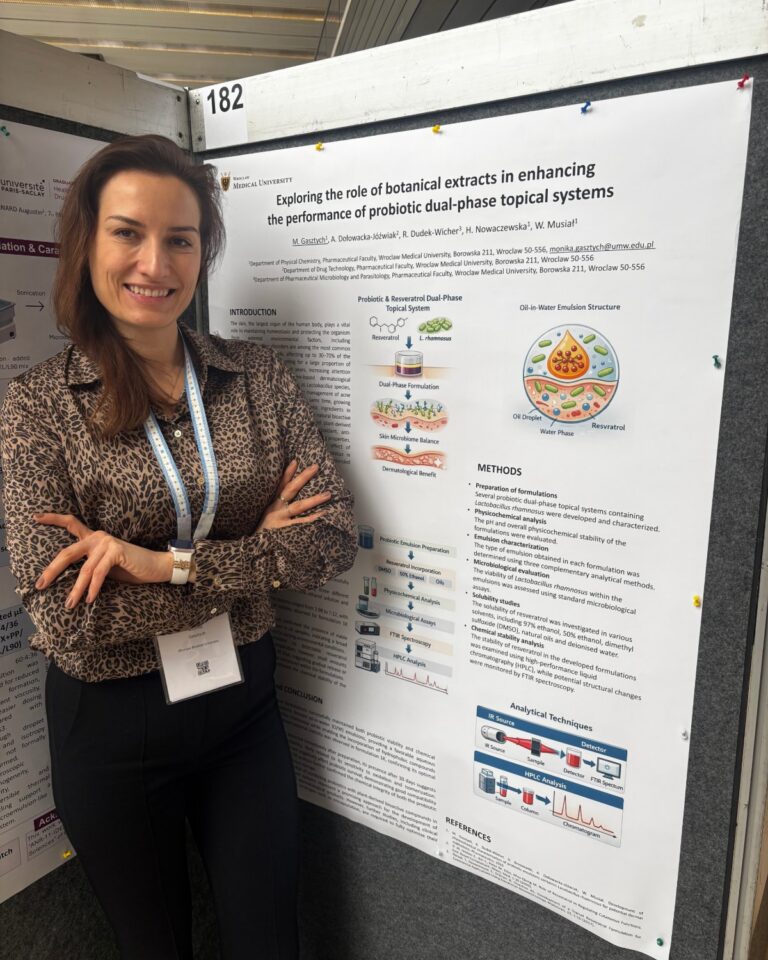
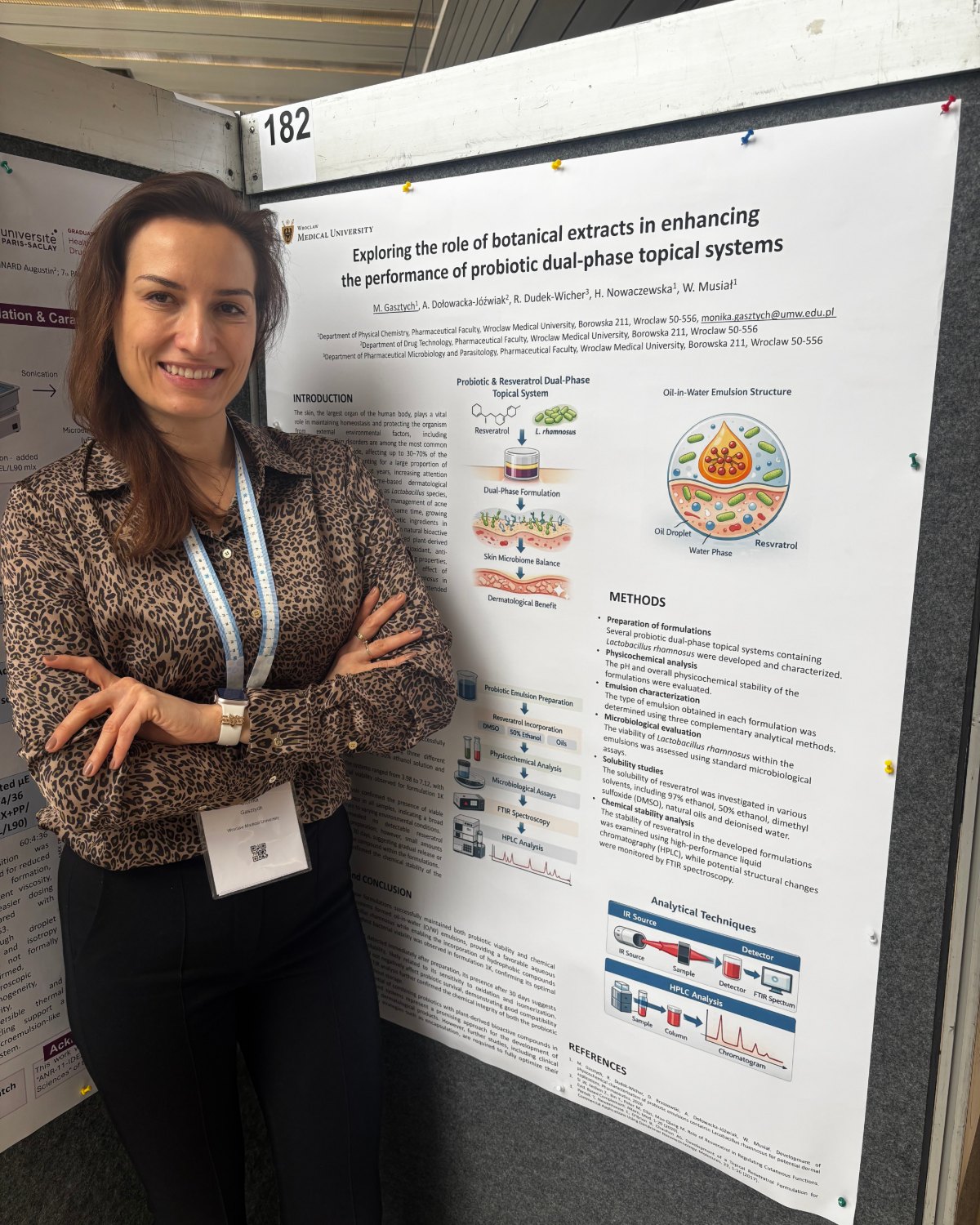
Dr Monika Gasztych develops probiotic formulations for skin care (an NCN Miniatura 8 project). Among other things, she checks in which emulsions probiotic bacteria survive best.
The nanogrant let her present the results at the 15th World Meeting on Pharmaceutics, Biopharmaceutics and Pharmaceutical Technology in Prague (23–26 March 2026). A paper from the project came out in Pharmaceutics in February 2026.
PublicationGasztych M., Dudek-Wicher R., Brzozowski D., Dołowacka-Jóźwiak A., Musiał W. Development and Physicochemical Characterisation of Probiotic Emulsions Containing Lactobacillus rhamnosus for Potential Dermal Applications. Pharmaceutics 2026, 18(2), 199.
doi.org/10.3390/pharmaceutics18020199ProjectEnhancing the international visibility of the NCN Miniatura 8 research project by participating in the 15th World Meeting on Pharmaceutics
-
 Conferencelecture in
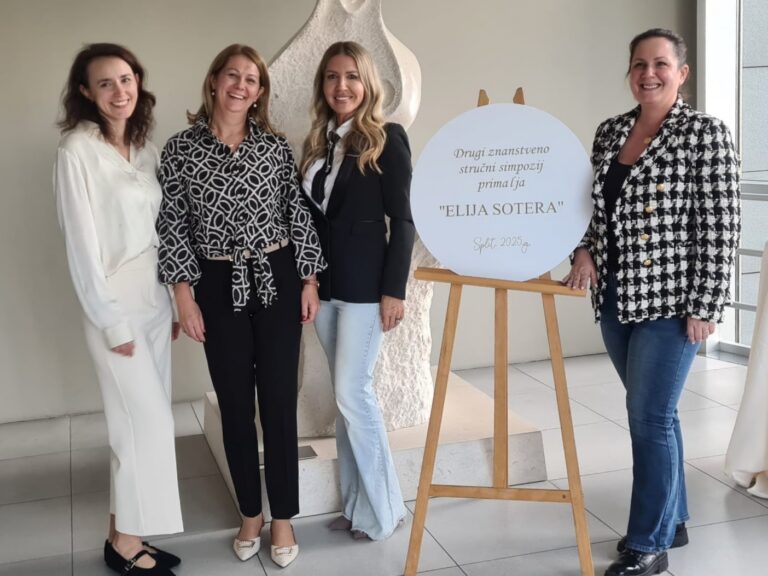
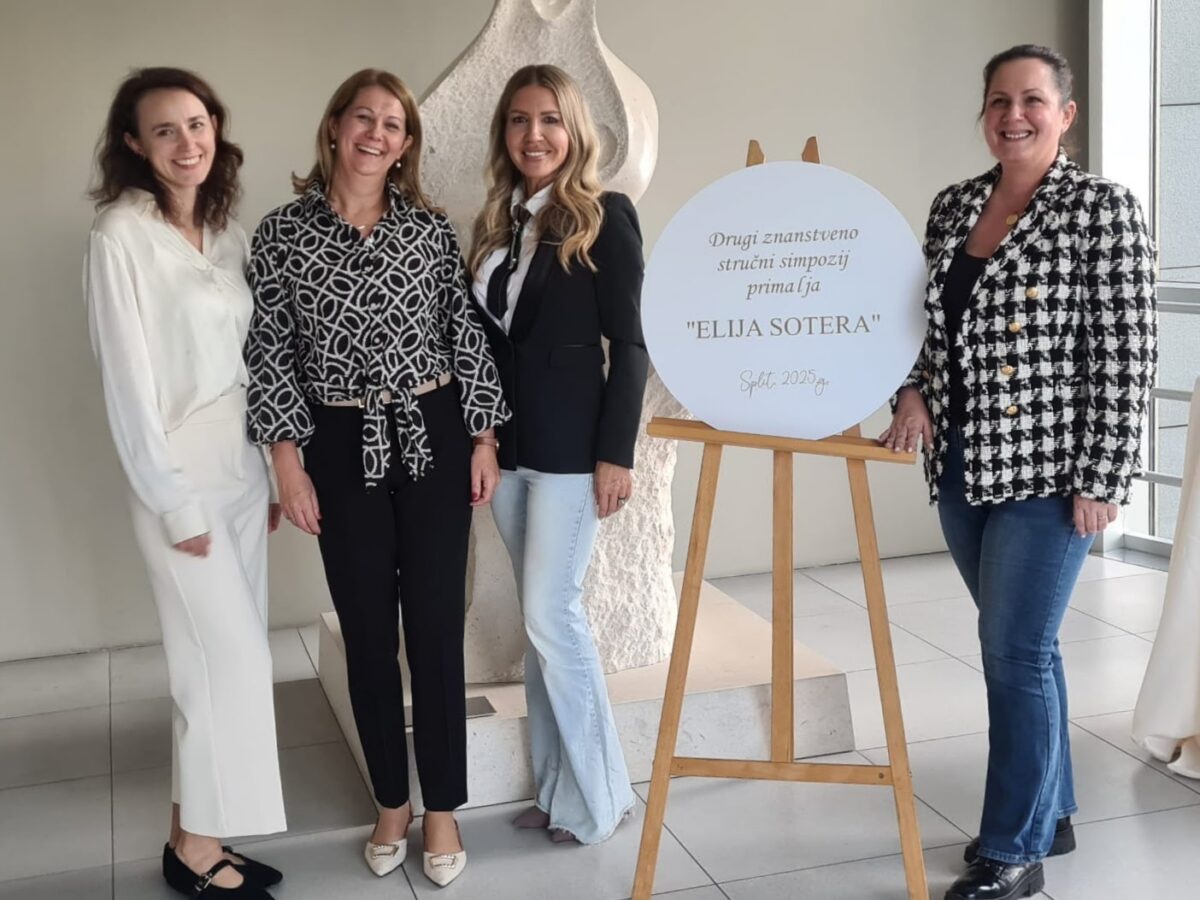
splitPaulina MostyńskaA lecture at the international midwifery symposium “Elija Sotera” in
Split.Read the story
Nanogrant · 1st edition
Paulina Mostyńska
Department of Midwifery
Paulina Mostyńska, MSc, gave a lecture on supporting a woman in labour when progress stalls, drawing on anatomy, biomechanics and traditional methods. The “Elija Sotera” symposium took place on 7–8 November 2025 at the University Hospital in Split.
After the talk, Professor Diana Aranza of the University of Split expressed interest in closer scientific and educational cooperation.
ProjectMidwife Support for Arrested Labor – An Integrated Approach: Biomechanics, Anatomy, and Traditional Methods
Full project description
As part of the Nanogrant project, Ms Paulina Mostyńska, MSc, delivered a lecture entitled “Supporting a midwife when labour progress is inhibited, an integrative approach combining anatomy, biomechanics, and traditional methods” at the 2nd International Midwifery Symposium “Elija Sotera.” The event took place at the Department of Gynaecology and Obstetrics of the University Hospital in Split on November 7 to 8, 2025.
This symposium is one of the most prestigious scientific meetings for midwives in Croatia. Its main goal is to improve cooperation among perinatal healthcare professionals. The programme covered topics such as home birth, fear of childbirth, preterm labour, thrombophilia, Rh factor immunisation, emergency cases in gynaecology, and others.
The organisers were the Faculty of Health Studies of the University of Split, the Croatian Chamber of Midwives, and the University Hospital Centre in Split. The symposium bears the symbolic title “Elija Sotera,” in honour of the first known midwife from this region, who lived in the 2nd century in Salona.
Professor Diana Aranza from the Faculty of Health Studies at the University of Split expressed her willingness to establish close scientific and substantive cooperation to develop midwifery and nursing education programmes at our University.
Ms Mostyńska conducts her research at the Department of Midwifery of Wroclaw Medical University, headed by Dr Monika Przestrzelska, Associate Professor. She is also preparing her PhD dissertation under the supervision of Dr hab. Anna Rozensztrauch, Associate Professor, with Dr Anna Prokopowicz as auxiliary supervisor.
-
 researchPublished in
IJMSDorota Wójcik-PastuszkaA hydrogel injected straight into the joint that releases an
anti-inflammatory drug gradually.Read the
story
Nanogrant · 1st edition
Dorota Wójcik-Pastuszka
Department of Physical Chemistry and Biophysics
Dr Dorota Wójcik-Pastuszka is developing a sodium hyaluronate hydrogel that, once injected into a joint, gradually releases prednisolone sodium phosphate. A drug that stays active in the joint for longer may mean fewer injections for the patient.
The results were published in May 2026 in the International Journal of Molecular Sciences.
PublicationWójcik-Pastuszka D., Pacześniak W., Musiał W. Injectable Sodium Hyaluronate Hydrogels Modified by Ionic and Nonionic Polymers Loaded with Prednisolone Disodium Phosphate: Molecular Interactions and Intra-Articular Drug Delivery. Int. J. Mol. Sci. 2026, 27(9), 4145.
doi.org/10.3390/ijms27094145ProjectRelease of prednisolone disodium phosphate from an intra-articular hydrogel based on sodium hyaluronate
Full project description
This project focuses on the development of model analgesic hydrogels intended for intra-articular administration. Their analgesic effect will be achieved by incorporating prednisolone sodium phosphate into a sodium-hyaluronate-based matrix, ensuring good biocompatibility.
Developing an innovative, sustained-release analgesic hydrogel could significantly improve patient comfort and the overall quality of joint pain therapy, while also minimizing the need for frequent dosing.
This project forms part of a broader research effort focused on intra-articular preparations that could be used to treat joint inflammation. These include potential silica-coated intra-articular implants incorporating bupivacaine hydrochloride, betamethasone, and sodium hyaluronate.
-
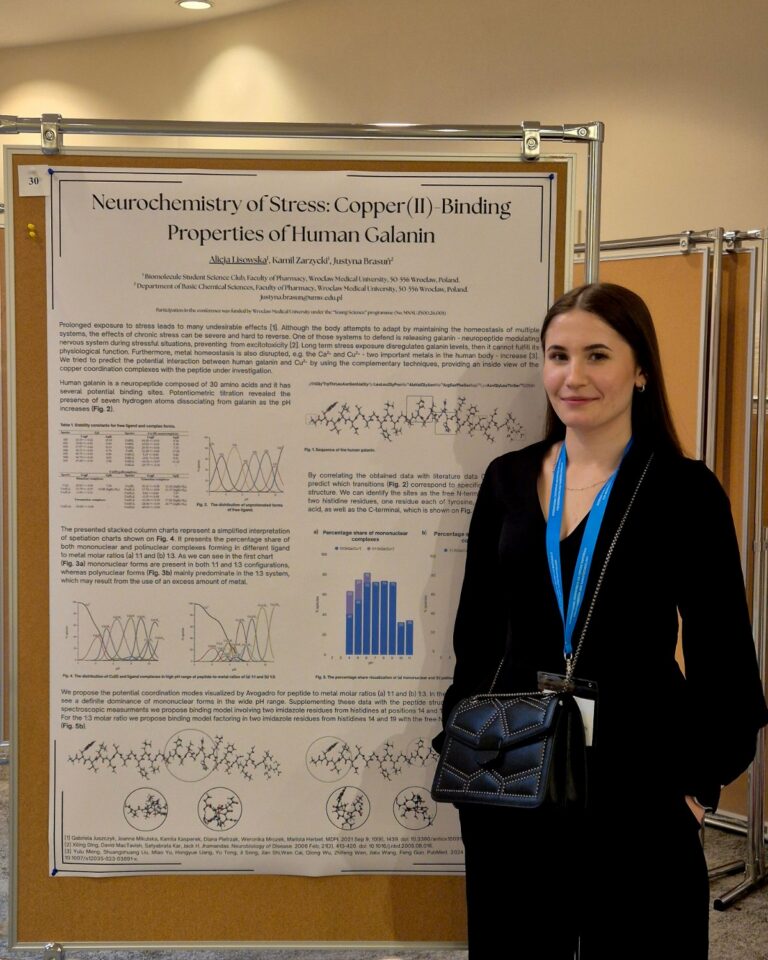 ConferencePoster at PepMat
2026Alicja LisowskaHow human galanin, a neuropeptide linked to the stress response, binds
copper ions.Read the story
Nanogrant · 2nd edition
Alicja Lisowska
Faculty of Pharmacy, pharmacy student
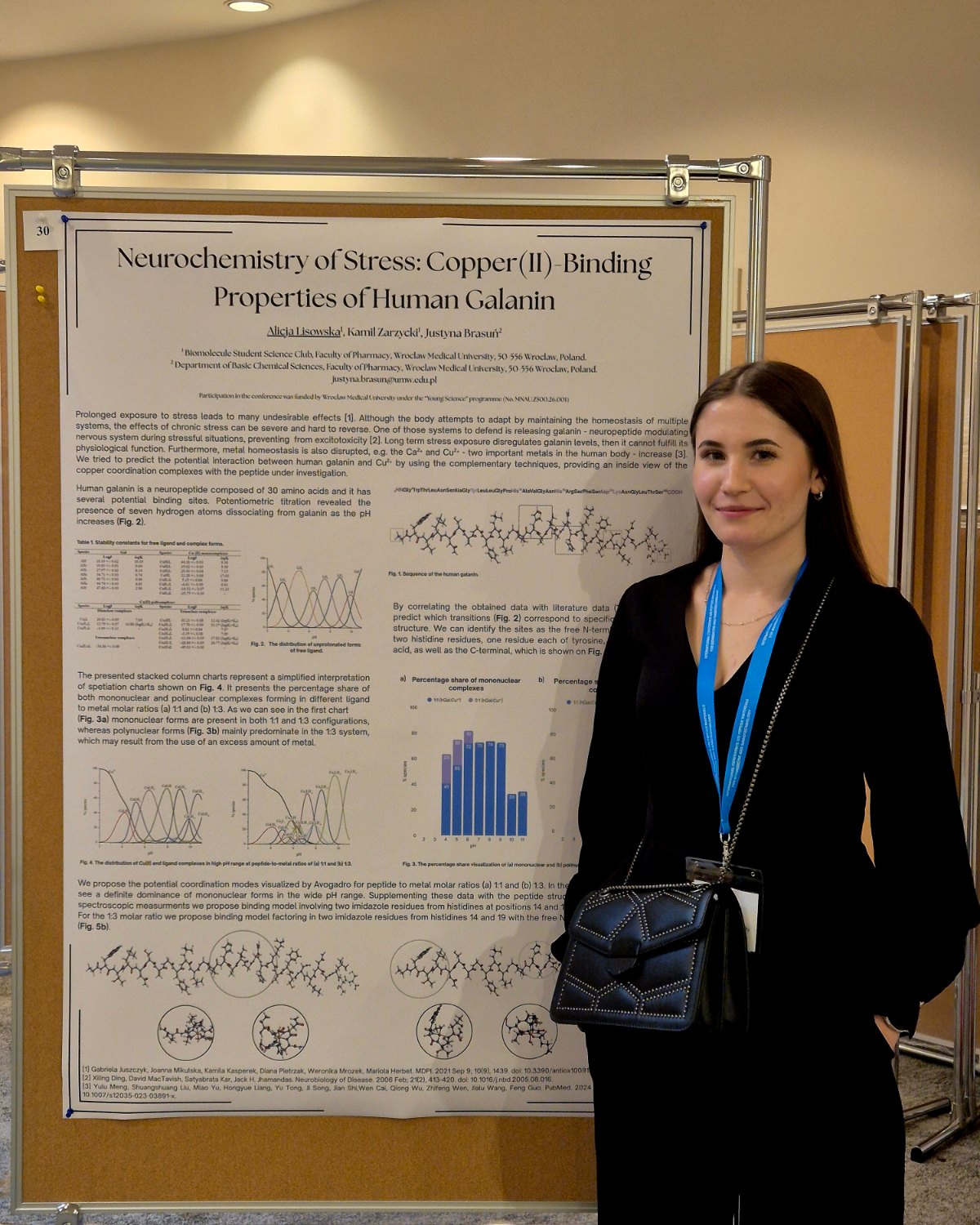
Alicja Lisowska, a pharmacy student, studies how human galanin interacts with copper(II) ions. A nanogrant from the 2026 edition took her to the international conference PepMat 2026 in Warsaw, where she presented the poster “Neurochemistry of Stress: Copper(II)-Binding Properties of Human Galanin”.
In her words, the aim was “to deepen my knowledge of the latest research trends in peptide chemistry, biomaterials and metal-peptide interactions”.
ProjectMetal–Peptide Interactions in Stress Biology: Human Galanin and Cu(II) Ions
-
 researchnext grant: FASTBartosz PoniewierkaA substrate meant
to let a laser identify bacterial species without waiting for a culture.Read the story
Nanogrant · 1st edition
Bartosz Poniewierka
MIARP student research group, medical student
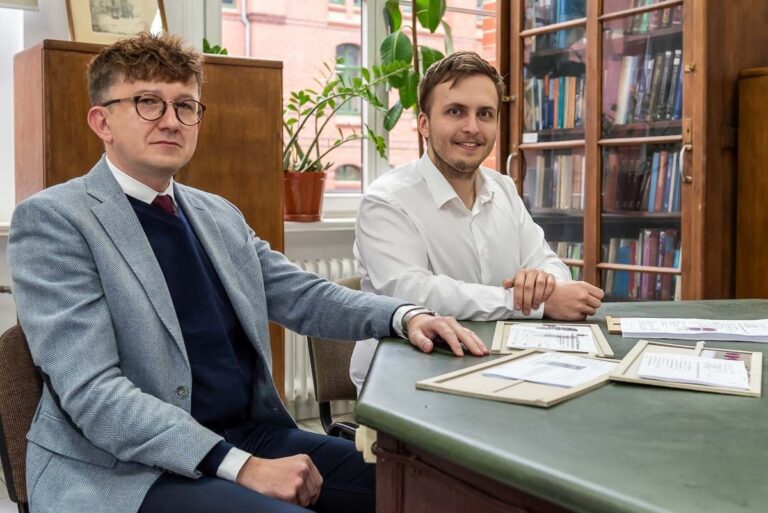
artosz Poniewierka, a medical student, works with Dr hab. Emil Paluch, a WMU professor, on a SERS substrate that amplifies the signal bacteria give in Raman spectroscopy. The team wants to use it to tell pathogen species apart without time-consuming culture.
He wrote the nanogrant application with the help of his Young Science mentor, Prof. Piotr Donizy. It was the first of three applications by the pair. The second brought the MIARP student research group funding from the Student Activity Fund (FAST) for the project “InsightEye”.
ProjectMicrobial species identification using titanium nanotubes-based Surface Enhanced Raman Spectroscopy
-
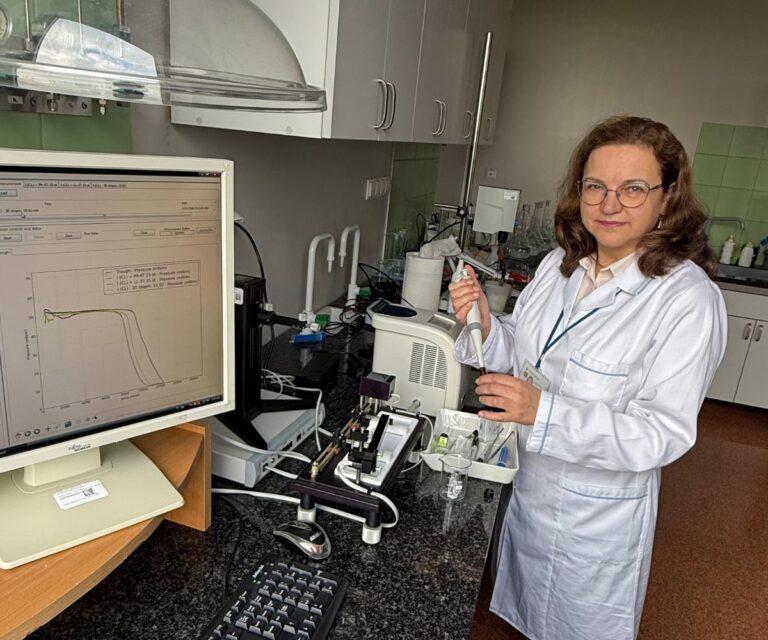 researchconference
talkIwona GolonkaAntimicrobial peptides as an alternative to antibiotics in acne
treatment.Read the story
Nanogrant · 1st edition
Iwona Golonka
Department of Physical Chemistry and Biophysics
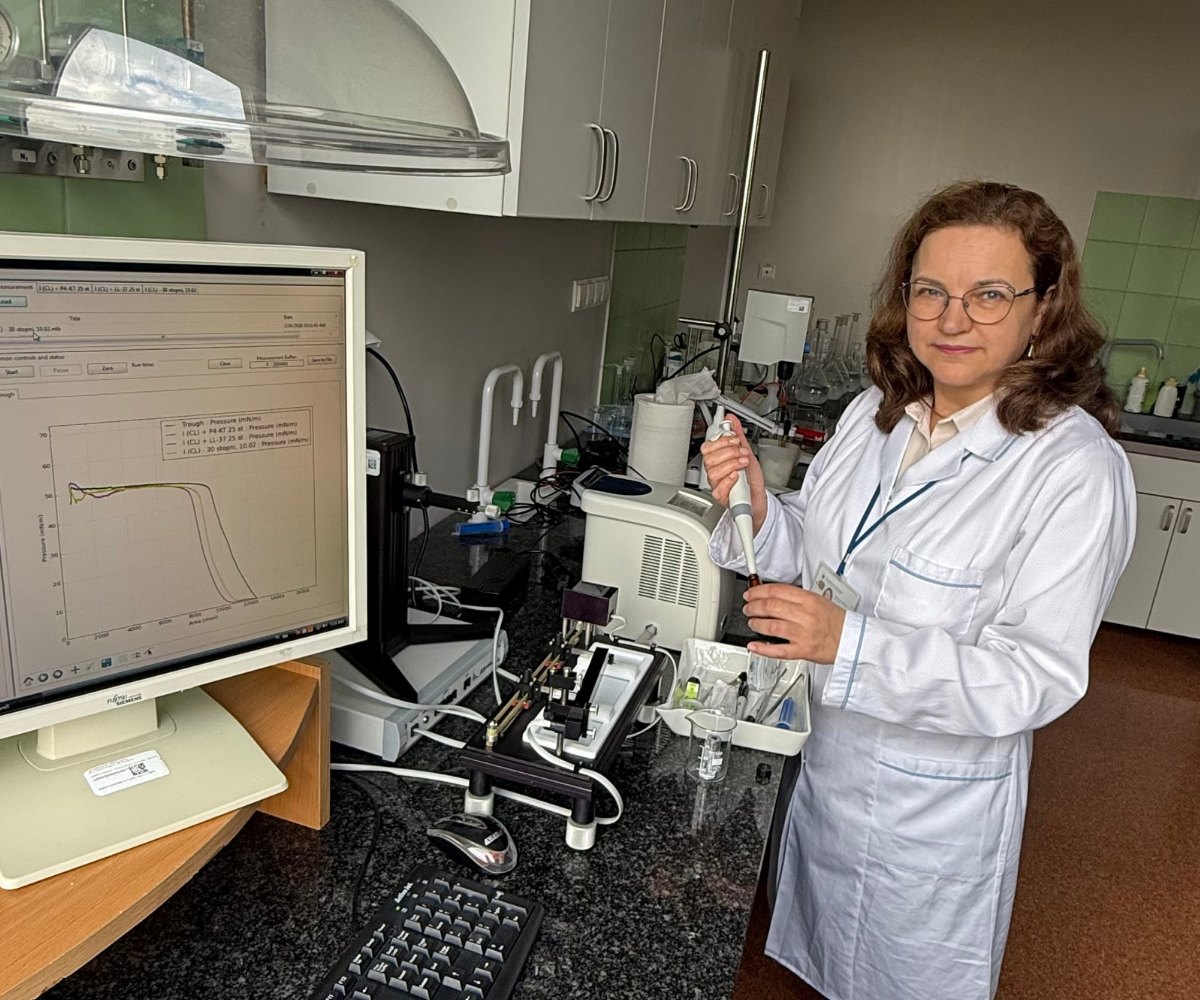
Dr Iwona Golonka studies how new antimicrobial peptides and solar radiation affect the membrane of Cutibacterium acnes, the bacterium linked to acne.
Data from the literature could not be reproduced in the experiment, so the team developed its own membrane model. First results show that the composition of the membrane affects its elasticity and how ordered it is.
She presented results obtained with the nanogrant in December 2025 at the conference “Pharmaceutical Science: Physical Chemistry and Biophysics for Pharmacy”.
ProjectAssessment of physicochemical changes of a model bacterial membrane under the influence of newly synthesized antimicrobial peptides and solar radiation
Full project description
The project focuses on investigating physicochemical changes occurring in a model bacterial membrane of Cutibacterium acnes under the influence of newly synthesized antimicrobial peptides and simulated solar radiation. Lipid monolayers mimicking the bacterial membrane will be analyzed using the Langmuir technique. The research includes measurements of isotherms, hysteresis, and surface pressure–time relationships to evaluate membrane stability and structural alterations. The aim is to determine how peptides and solar irradiation affect the properties of the model membrane. The results may contribute to a better understanding of these systems and support future exploratory studies.
-
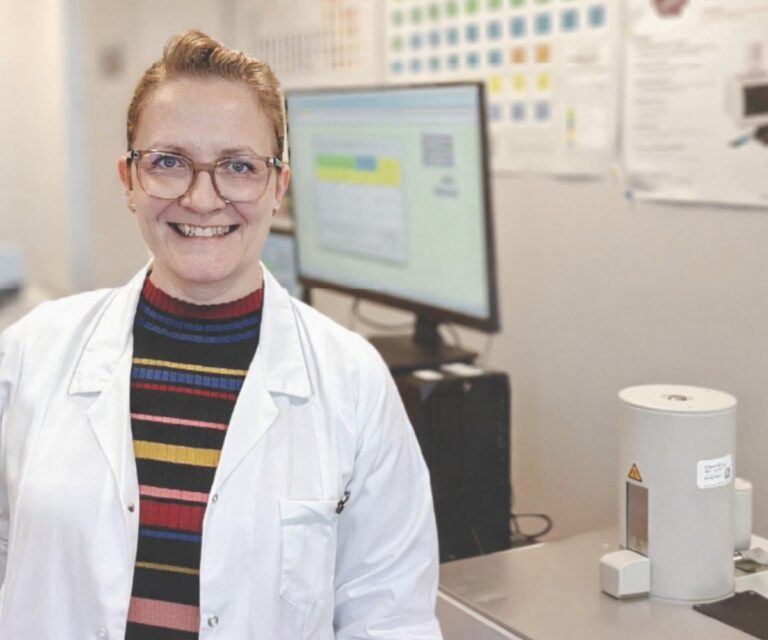 researchAgnieszka
KostrzębskaDoes an antibiotic stay stable in a gel? Thermal
analysis of dermatological hydrogels.Read
the story
Nanogrant · 1st edition
Agnieszka Kostrzębska
Department of Physical Chemistry and Biophysics
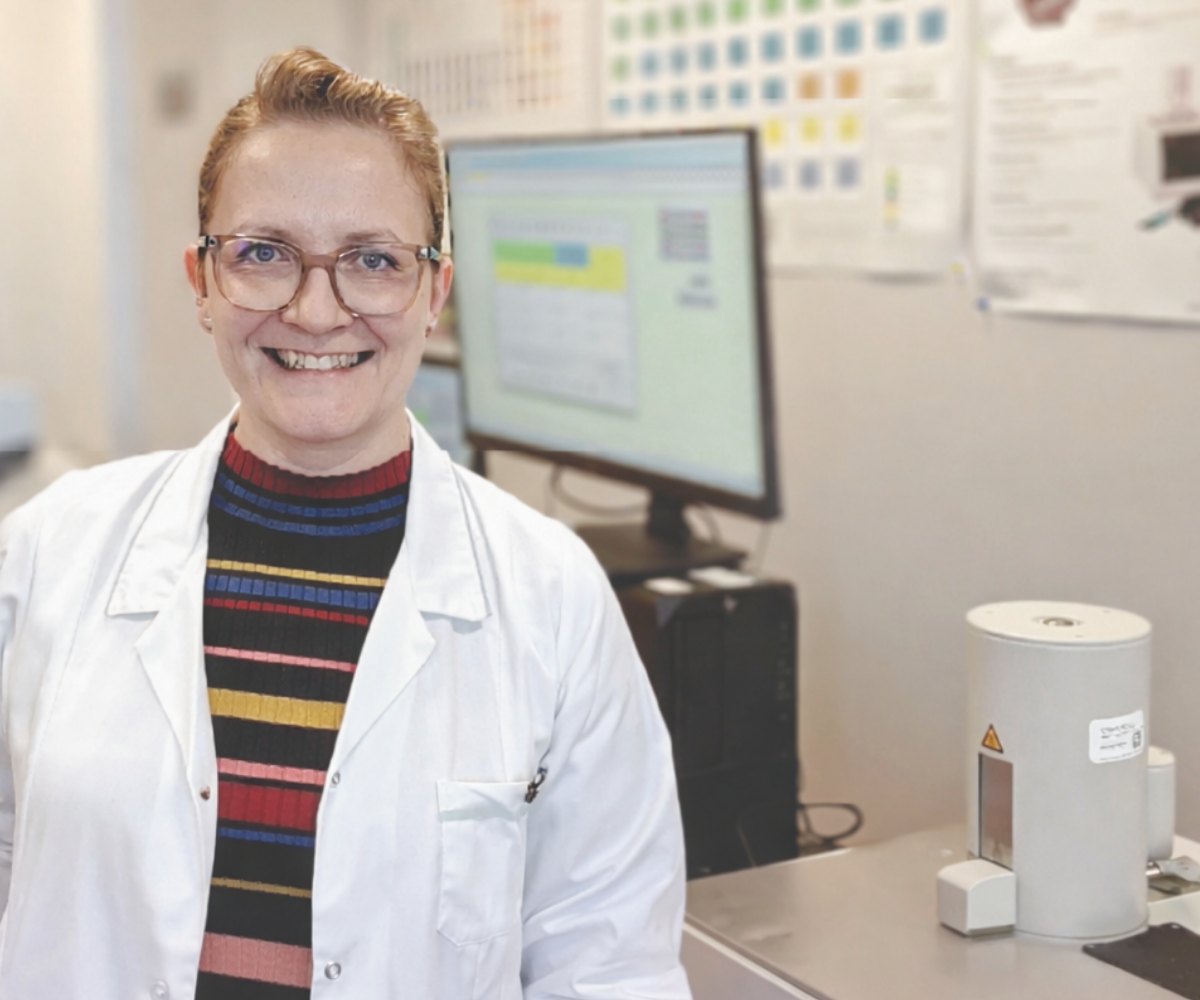
Dr Agnieszka Kostrzębska checks how antibiotics used to treat acne and skin infections (tetracycline, doxycycline and clindamycin) behave in carbomer-based hydrogels.
Differential scanning calorimetry (DSC) reveals unwanted interactions between ingredients early, also after long storage. The results will be used to choose the most stable formulations.
ProjectThermal analysis of the properties of dermatological hydrogels containing various antibiotics by DSC method
Full project description
The aim of the project is to evaluate the thermal properties and interactions of dermatological hydrogel components with antibiotics (tetracycline, doxycycline, clindamycin) based on carbomer, using differential scanning calorimetry (DSC). The study will determine the effects of active substances on the physicochemical stability, structure, and durability of hydrogels, including changes in viscosity, dehydration, network destabilization, and potential decomposition or component interactions.
The analysis of thermal profiles, including after long-term storage, will enable the assessment of the impact of environmental conditions and the identification of phase changes. The results obtained will be used to select the most stable systems and optimize the formulations of safe and effective dermatological preparations . The project is aligned with the current needs of the pharmaceutical and cosmetics markets in the development of modern topical drug delivery systems. Potential beneficiaries of the results will include: manufacturers of drugs and dermocosmetics, research teams working on new carriers for active substances, pharmacists, and dermatologists.
-
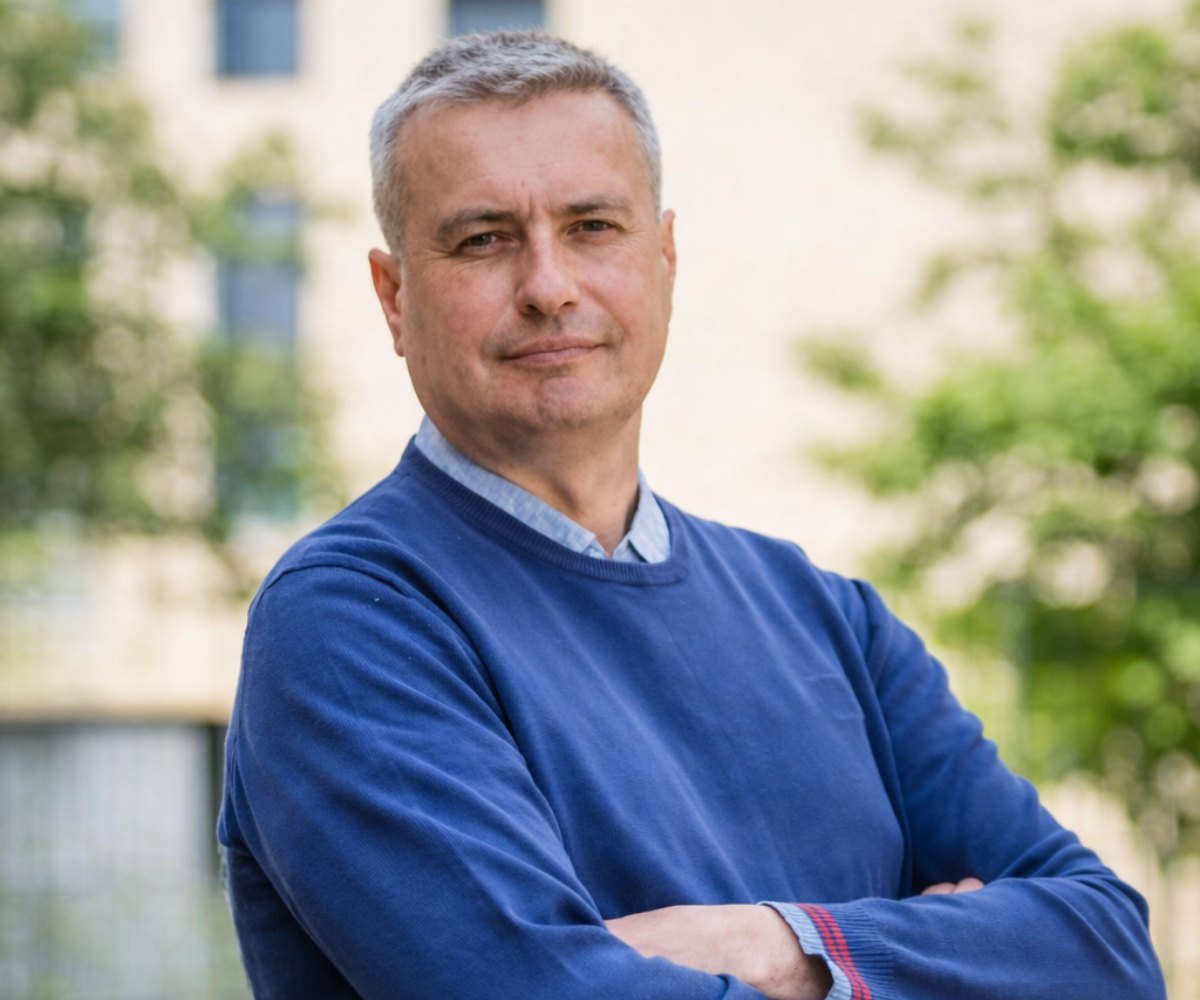
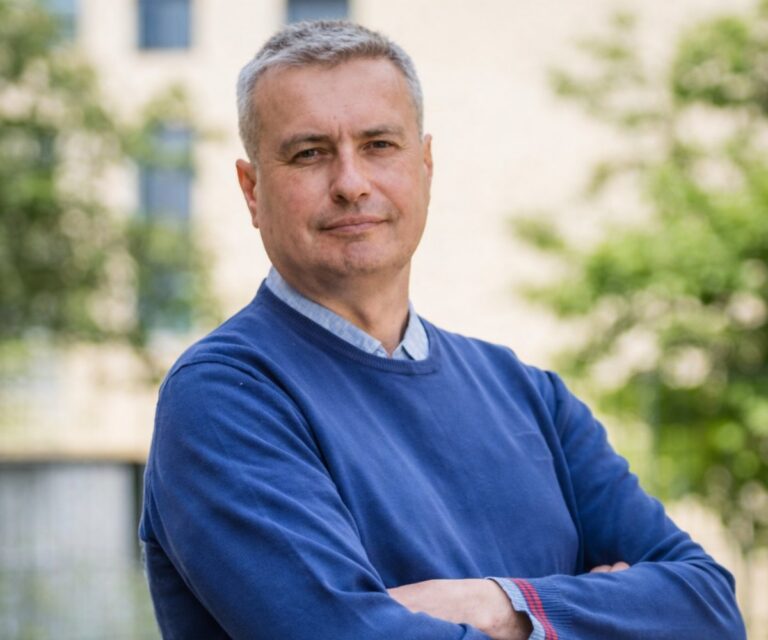 conferencePiotr
Kupczykγδ T cells in cancer immunotherapy, and the TIMO 2026
conference.Read the story
Fot. Tomasz Walów Nanogrant · 1st edition
Piotr Kupczyk
Department of General and Experimental Pathology
Dr Piotr Kupczyk studies how γδ T cells can be used in cancer immunotherapy and how tumour blood vessels shape the immune response.
The nanogrant covered taking part in the international conference TIMO: Tumor Immunology Meets Oncology (7–9 May 2026, Brandenburg), initiated by Professor Barbara Seliger, with whom he collaborates.
ProjectSearching for mechanisms supporting γδ T cell infiltration and antitumor immune response: immunosuppressive role of tumor angiogenesis
Full project description
Immunotherapy is currently one of the fastest-growing areas of biomedical science. Its goal is to harness and strengthen the immune system’s potential in the fight against cancer. Immunotherapy uses, among other approaches, cellular components of the immune system such as gamma delta (γδ) T lymphocytes. With established methods for their isolation and expansion, these cells can be administered near a tumor, where they activate their unique cytotoxic functions and can effectively eliminate cancer cells. Immunotherapy also includes the use of cellular antigens, which stimulate the infiltration and cytotoxic activity of immune cells within the tumor microenvironment and induce a strong anti-tumor immune response.
As part of the Nanogrant project entitled “Searching for mechanisms supporting γδ T cell infiltration and antitumor immune response: immunosuppressive role of tumor angiogenesis ” (project ID: IDUB.E261.24.014), I will participate in the scientific conference TIMO: Tumor Immunology Meets Oncology, which will take place on 7–9 May 2026 in Brandenburg, Germany. The conference serves as a forum for leading research groups in immunotherapy and translational immunology from top institutions worldwide. It was initiated by Professor Barbara Seliger, Head of the Institute of Translational Immunology at the Brandenburg Medical School.
The research conducted by Professor Seliger and her collaborator, Dr Chiara Massa, aligns closely with the research area I am developing within the scientific work of the Department of General and Experimental Pathology. This invitation will allow me to deepen my knowledge, acquire new skills, and establish valuable scientific collaborations. Participation in the conference will also support efforts to build a similar research team at Wroclaw Medical University.
-
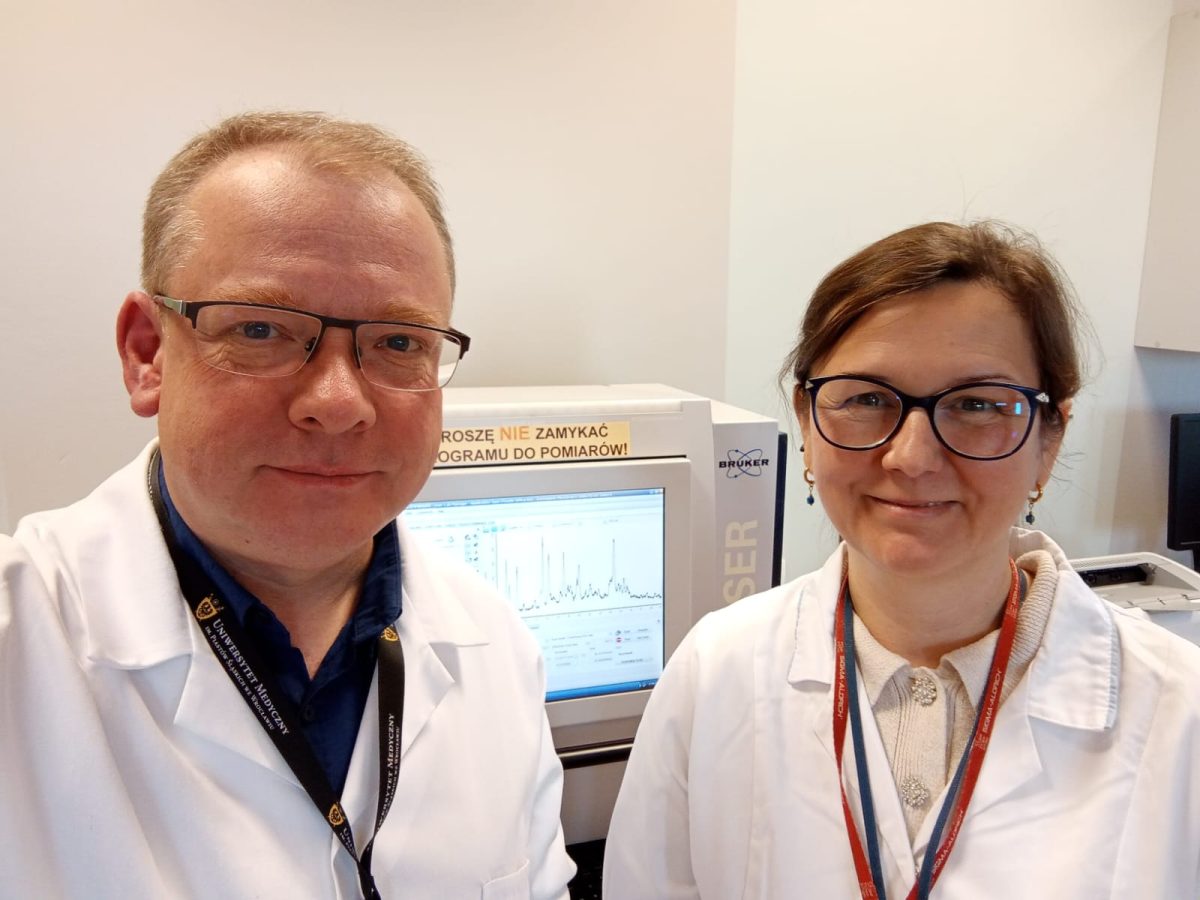
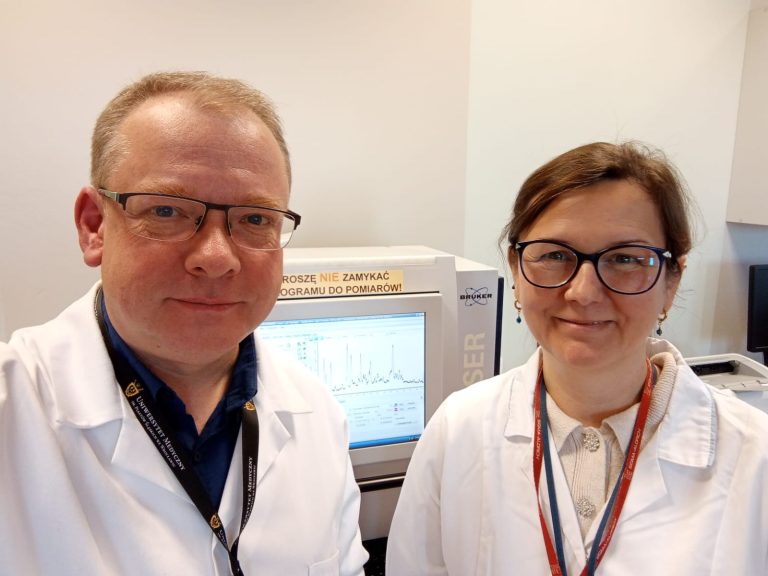 researchAgnieszka
GolaSmart polymers that release a drug where it is
needed.Read the story
Nanogrant · 1st edition
Agnieszka Gola
Department of Physical Chemistry and Biophysics
Dr Agnieszka Gola studies so-called smart polymers: materials that change their properties with temperature or pH and can therefore release a drug only in a chosen place in the body.
With the nanogrant she characterises them using thermal, spectroscopic and microscopic methods, to find the material best suited to carrying a drug.
ProjectIntegrated physicochemical characterisation of smart polymers with potential applications in carrier systems, using thermal, spectroscopic and microscopic methods
Full project description
Integrated physicochemical characterisation of smart polymers with potential applications in carrier systems, using thermal, spectroscopic, and microscopic methods.
This project aims to conduct a comprehensive physicochemical characterisation of a polymer material synthesised in five independent syntheses in an earlier project. The research will employ TG, DSC, PXRD, NMR and SEM techniques. The planned analyses will enable the determination of particle morphology and size, thermal parameters (e.g., melting point, weight loss, decomposition temperature, thermal stability), as well as the degree of crystallinity and the presence of impurities.
The results obtained will enable the influence of crosslinking agent chain length on the physicochemical properties of the resulting polymers to be assessed, and the material best suited to potential drug carrier applications to be identified. The results of the research are planned to be published in a renowned scientific journal. It is also assumed that the material with the most favourable physicochemical properties will be used in a new research project concerning its ability to bind with model medicinal substances. The results of the proposed research will provide important physicochemical data on thermosensitive systems designed to meet specific application requirements. This research is of great scientific and industrial importance and will contribute to advancing knowledge in fields such as medicine and pharmacy.
This scientific work is directly related to the implementation of my scientific development and is currently being carried out at the Department of Physical Chemistry and Biophysics at the Wroclaw Medical University.
-
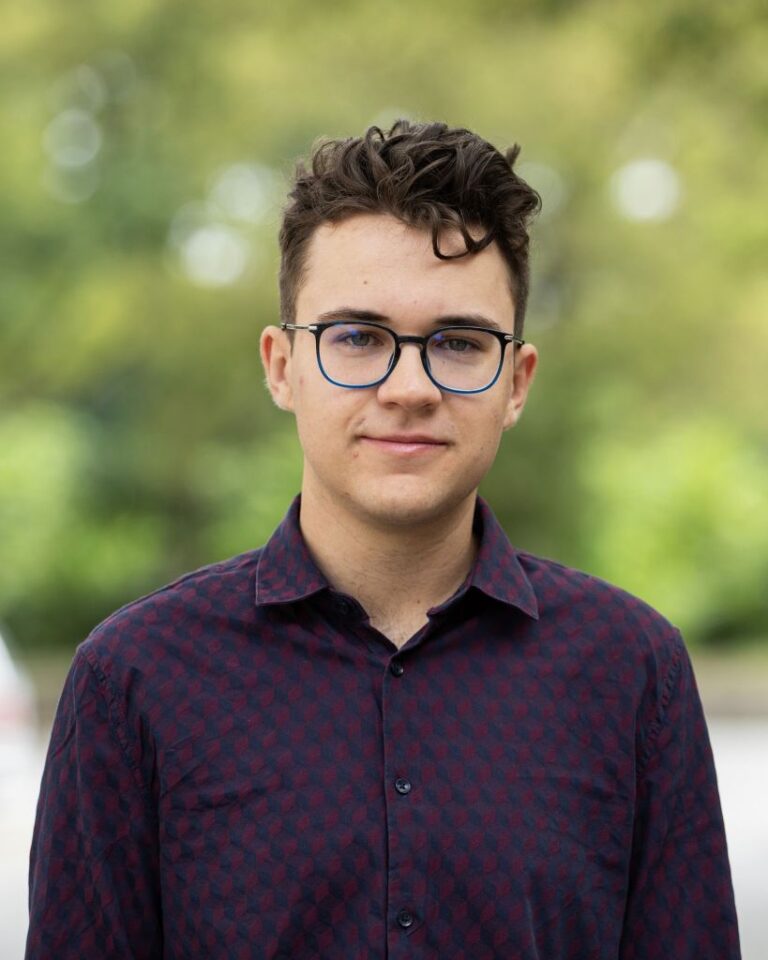 ResearchWiktor
MaciejewskiA hydrogel with ketoprofen and copper
nanoparticles for skin lesions that are slow to heal.Read
the story
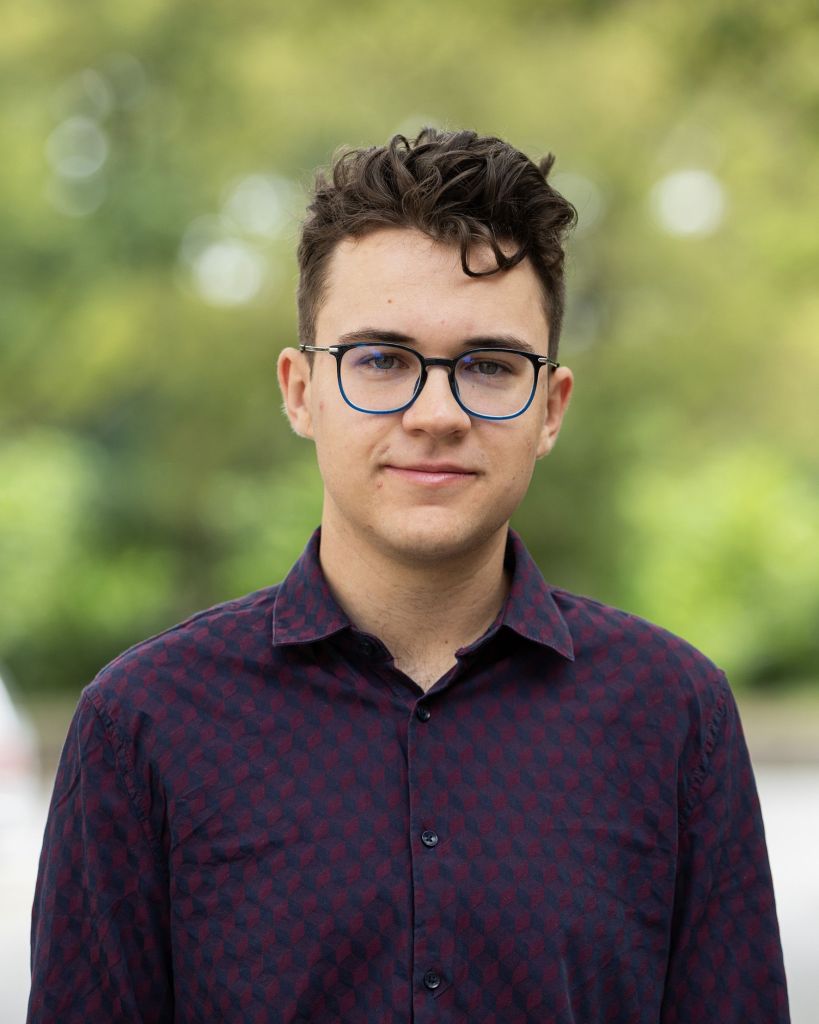
Fot. Krzysztof Ćwik Nanogrant · 1st edition
Wiktor Maciejewski
pharmacy student
Wiktor Maciejewski, a pharmacy student, is developing a hydrogel in which ketoprofen eases pain and inflammation while copper nanoparticles are meant to help fight bacteria.
The acidic nanoparticle suspension affected the structure of the carbomer base as first designed. The team put that result to use: it changed the concept and started work on a new, more stable formulation.
ProjectDevelopment of a hydrogel containing model substances with anti-inflammatory properties together with nanoparticles with a potential antibacterial effect
Publications, talks, awards
What recipients have achieved on the topics of their projects.
oct 2026Paper
Pre-discharge influenza vaccination after acute decompensated heart failure: A feasibility analysis of a randomized study in Poland
jul 2026Paper
Effectiveness of cryotherapy in reducing swelling, pain and blood loss, and improving range of motion during the early phase of rehabilitation after anterior cruciate ligament reconstruction: A systematic review
may 2026Paper
Injectable Sodium Hyaluronate Hydrogels Modified by Ionic and Nonionic Polymers Loaded with Prednisolone Disodium Phosphate: Molecular Interactions and Intra-Articular Drug Delivery
mar 2026Paper
Physicochemical Characteristics of Amphipathic Peptides and Their Cytotoxic Effects on Cancer and Normal Cell Lines
feb 2026Paper
Development and Physicochemical Characterisation of Probiotic Emulsions Containing Lactobacillus rhamnosus for Potential Dermal Applications
jan 2026Paper
Outcome measures used for evaluating the effectiveness of physiotherapy interventions after anterior cruciate ligament reconstruction: A scoping review
jan 2026Paper
Hypoxic responsiveness and gut fermentation capacity in heart failure patients: preliminary results
jul 2026talk
Neurochemistry of Stress: Copper(II)-Binding Properties of Human Galanin
mar 2026talk
Exploring the role of botanical extracts in enhancing the performance of probiotic dual-phase topical systems
mar 2026talk
Poster z wynikami projektu
jan–feb 2026talk
Seminarium z wynikami stażu
dec 2025talk
Effect of the tryptophan-to-phenylalanine substitution in modified peptides C10-KRIWQRIKDF-NH₂ and C10-KRIFQRIKDF-NH₂ on phosphatidylinositol monolayers studied by the Langmuir method (25–35°C)
nov 2025talk
Wykład „Wsparcie położnej w sytuacji zahamowania postępu porodu – podejście integratywne: anatomia, biomechanika i metody tradycyjne”
apr 2026award or grant
2. miejsce w wydziałowym konkursie prac magisterskich na kierunku farmacja
mar 2026award or grant
2. miejsce zespołu w sesji prac naukowych konferencji OSKK
feb 2026award or grant
Grant z Funduszu Aktywności Studenckiej (FAST) dla koła MIARP na projekt „InsightEye: Zajrzyj w oczy”
jun 2026internship or course
ESCMID Summer School 2026
jan 2026internship or course
Staż badawczy w zespole dr. Valtera Pflieglera
2025/26internship or course
Staż naukowy, w czasie którego powstała część projektu
2025/26internship or course
Kurs Medical Statistics Program
2025/26internship or course
JBI Comprehensive Systematic Review Training Program
“A small grant can be a breakthrough moment. It allows for a key pilot experiment, the first dataset, or access to infrastructure.”
Wojciech Szlasa · co-coordinator of the Young Science programme · The whole article
How it works
This is how the calls have worked so far. The rules of the next one will be published before it opens.
What it funds
- Experimental: lab materials, reagents, prototype parts, software licences
- Collaboration: conference fees and travel that build collaborations.
- Grant booster: pilot studies on the way to a larger grant.
Application
You fill in the form in Polish or in English. You and the head of your unit sign it, then you send it to the Young Science office.
Decision and report
The committee decides in about a week. When the project ends, you hand in a short report.
Regulation and forms
Documents of the 2nd edition (2026).
- Regulations (Polish)DOCX
- Regulations (English)DOCX
- Application form (Polish)DOCX
- Application form (Polish)DOCX
- Final report (Polish)DOCX
- Final report (English)DOCX
- Annex 2: verification cardDOCX
- Instructions: how to apply, step by stepPDF
- Rector's ordinance No. 71/XVI R/2026 (regulations in force)WEB
Funded projects
Projects that received a nanogrant in the 1st (2025) and the 2nd edition (2026).
-
2nd edition · 2026
Wykorzystanie modelowania molekularnego w analizie właściwości nanostruktur biomedycznych
-
2nd edition · 2026
Doskonalenie kompetencji w dermoskopii nowotworów skóry – udział w International Masterclass in Dermoscopy 2026
-
2nd edition · 2026
Specjalistyczne szkolenia z zakresu dermatoskopii i chirurgii w dermatologii: od diagnostyki do leczenia zabiegowego
-
2nd edition · 2026
Analiza wpływu składników formulacji na właściwości fizykochemiczne nanoemulsji na bazie kwasu oleinowego
-
2nd edition · 2026
Ocena potencjału przeciw- i prozapalnego ekstraktu z korzenia Chelidonium majus poprzez analizę wpływu na inflamasom – projekt szkoleniowy
-
2nd edition · 2026
24th ESCMID Summer School 2026
-
2nd edition · 2026
Przegląd kolekcji drożdżaków w muzeum laboratoryjnym Katedry i Zakładu Mikrobiologii Farmaceutycznej i Parazytologii
-
2nd edition · 2026
Udział w 6th World Congress on Electroporation 2026 oraz mobilność w University of South Florida – elektroporacyjna modulacja odpowiedzi makrofagów w modelach nowotworowych
-
2nd edition · 2026
Udział w XXV Naukowym Zjeździe Polskiego Towarzystwa Farmaceutycznego (22–25.09.2026)
-
2nd edition · 2026
Metal-Peptide Interactions in Stress Biology: Human Galanin and Cu(II) Ions
-
2nd edition · 2026
Szkolenie firmy StatSoft „Statistica w nauczaniu statystyki”
-
2nd edition · 2026
ESCMID Summer School
-
2nd edition · 2026
Opracowanie wystandaryzowanego protokołu hodowli organoidów nerkowych z iPSC
-
2nd edition · 2026
Optymalizacja modelu komórek prawidłowych nabłonka sutka ludzkiego do badań nad elektroporacją in vitro
-
2nd edition · 2026
Ocena wpływu nowych analogów GLP-1 na ekspresję adipokin i markerów zapalnych w mysich adipocytach
-
2nd edition · 2026
Stężenie katepsyny S w płynie pęcherzykowym jako potencjalny marker statusu antyoksydacyjnego u kobiet poddanych procedurze IVF
-
2nd edition · 2026
Optymalizacja bionanotechnologicznych nośników pęcherzykowych z lipofilowym surowcem naturalnym w recepturze formulacji pianotwórczej do terapii chorób skóry
-
2nd edition · 2026
Wykorzystanie supramolekularnych układów kompleksowych do optymalizacji biodostępności i miejscowej skuteczności cynandionu A w terapii schorzeń jamy ustnej
-
2nd edition · 2026
Pozyskanie szczepów środowiskowych patogennych bakterii i grzybów i ocena ich profilu lekowrażliwości
-
2nd edition · 2026
Walidacja modułu transwell do oceny parakrynnej aktywności przeciwnowotworowej makrofagów RAW 264.7 po elektroporacji
-
2nd edition · 2026
Przyżyciowa analiza dynamiki permeabilizacji i resealingu błony komórkowej podczas elektroporacji pojedynczej komórki
-
2nd edition · 2026
Wpływ gliadyny na permeabilizację błony i zdolność regeneracyjną komórek HT-29 po elektroporacji
-
1st edition · 2025
Release of prednisolone disodium phosphate from an intra-articular hydrogel based on sodium hyaluronate
-
1st edition · 2025
Integrated physicochemical characterisation of smart polymers with potential applications in carrier systems, using thermal, spectroscopic and microscopic methods
-
1st edition · 2025
Enhancing diagnostic and clinical skills in melanoma: from fundamentals to advanced dermoscopy
-
1st edition · 2025
Evaluation whether influenza vaccination at discharge is safe and effective in reducing adverse events and mortality among high-risk cardiology patients
-
1st edition · 2025
Assessment of physicochemical changes of a model bacterial membrane under the influence of newly synthesized antimicrobial peptides and solar radiation
-
1st edition · 2025
Microbial species identification using titanium nanotubes-based Surface Enhanced Raman Spectroscopy
-
1st edition · 2025
Mikroneurografia w niewydolności serca. Porównanie aktywności współczulnej w ostrych i przewlekłych stanach
-
1st edition · 2025
Development and Pharmaceutical Evaluation of Semi‑Solid Compounded Formulations Containing Cannabis flos Oil Extract
-
1st edition · 2025
Thermal analysis of the properties of dermatological hydrogels containing various antibiotics by DSC method
-
1st edition · 2025
Medical Statistics Competency Development
-
1st edition · 2025
Scientific training for systematic reviews
-
1st edition · 2025
Midwife Support for Arrested Labor – An Integrated Approach: Biomechanics, Anatomy, and Traditional Methods
-
1st edition · 2025
Clinical studies as a foundation for medical research
-
1st edition · 2025
Advanced plant-based hydrogels as biocompatible materials for creating drug delivery systems using SSE (Semi Solid Extrusion) 3D printing
-
1st edition · 2025
Genomic analysis of microorganisms based on the example of a collection of Saccharomyces cerevisiae strains isolated from clinical and non-clinical materials
-
1st edition · 2025
Participation in the European Lung Cancer Congress 2026 – Targeted Exosome Systems for miRNA Delivery in Lung Cancer
-
1st edition · 2025
Translational Ophthalmic Oncology: Linking Fundus Imaging with Tumor Biology in Uveal Melanoma
-
1st edition · 2025
Clinical studies as a foundation for medical research
-
1st edition · 2025
Comparison of the cytotoxic effects of myristicin and nutmeg extract in the SH-SY5Y neuronal cell line
-
1st edition · 2025
Development of a hydrogel containing model substances with anti-inflammatory properties together with nanoparticles with a potential antibacterial effect
-
1st edition · 2025
Enhancing the international visibility of the NCN Miniatura 8 research project by participating in the 15th World Meeting on Pharmaceutics
-
1st edition · 2025
Searching for mechanisms supporting γδ T cell infiltration and antitumor immune response: immunosuppressive role of tumor angiogenesis
Have an idea for a project?
Waiting for the next edition. Until it opens, see other grants and scholarships or write to the office.