WMU student wins an award in Zurich for a medical technology project
2026-11-16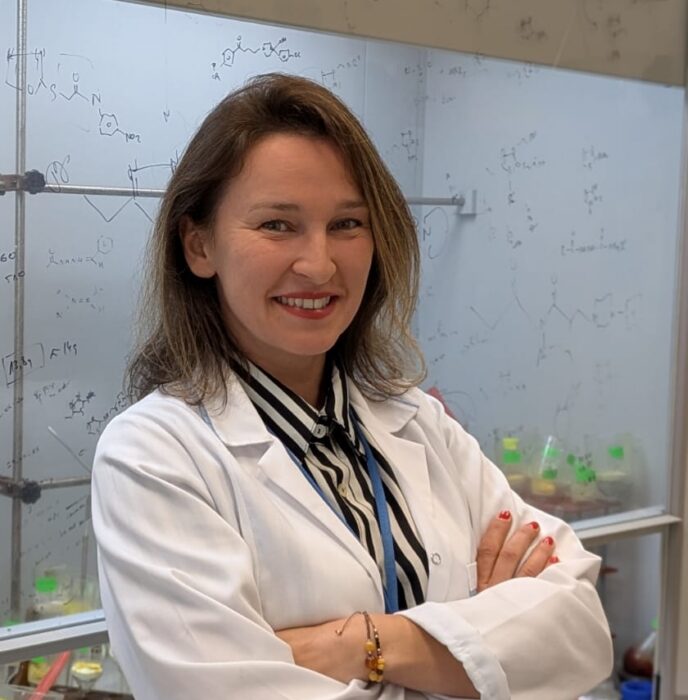
{"remix_data":[],"remix_entry_point":"challenges","source_tags":["local"],"origin":"unknown","total_draw_time":0,"total_draw_actions":0,"layers_used":0,"brushes_used":0,"photos_added":0,"total_editor_actions":{},"tools_used":{"transform":1},"is_sticker":false,"edited_since_last_sticker_save":true,"containsFTESticker":false}
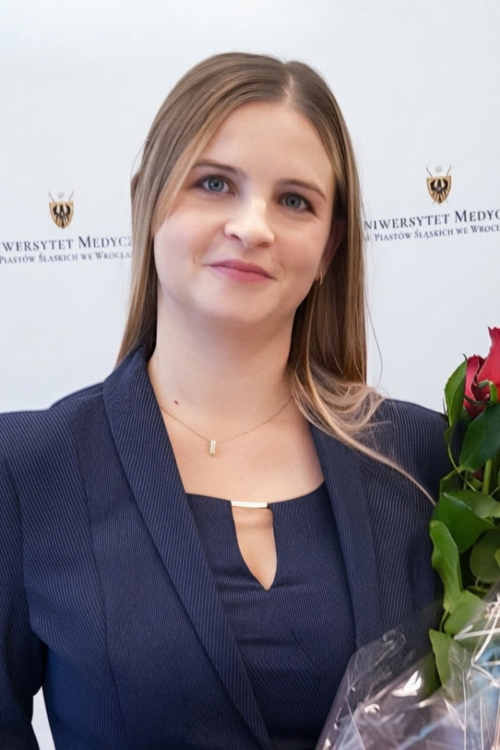
Can changing the structure of a chemical molecule make it more effective against melanoma cells while limiting its effect on healthy cells? Dr Małgorzata Strzelecka of Wroclaw Medical University will look for the answer. Her project has received funding from the National Science Centre (NCN) in the MINIATURA call.
Melanoma is one of the most aggressive skin cancers. Although it can be treated effectively with surgery when detected early, its advanced forms remain a serious therapeutic challenge. That is why scientists are looking for new substances that could destroy cancer cells effectively without causing significant damage to healthy tissue.
Dr Małgorzata Strzelecka of the Department of Drug Chemistry, Faculty of Pharmacy, WMU, is developing research on isothiazolopyridine derivatives. Earlier experiments showed that some of these compounds are significantly active against melanoma cells while acting more weakly on the normal cells tested. The most promising substances are covered by a patent application.
About 20 new compounds to test
In the new project, the researcher will modify the chemical structure of the substances analysed earlier to see whether their properties can be improved. About 20 new variants of the compounds will be made and tested in the laboratory.
The scientists will assess their activity against two types of melanoma cells, melanotic and amelanotic. They will also check how the substances affect healthy cells. This will make it possible to select the compounds with the greatest anticancer potential and the highest possible selectivity.
The research will also use microwave radiation, which can speed up chemical synthesis and reduce energy use and the amount of waste produced.
The project will be carried out in cooperation with the Department of Molecular and Cellular Biology, WMU. If the preliminary results are promising, the research will be extended to an analysis of how the compounds work and to computer modelling.
Although there is still a long way to go before the new substances could be used to treat patients, the project may help to point to promising directions for further research on anticancer therapies.
More information: New compounds against melanoma (in Polish)