Medical School of Your Future – launching now!
2026-03-26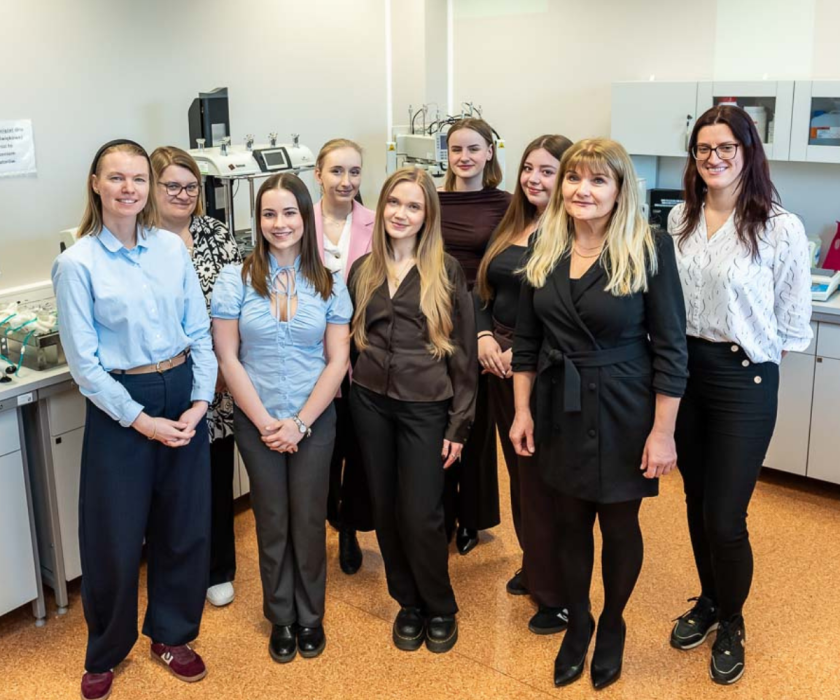
Inflammatory skin diseases affect over one billion people worldwide. With patients suffering from atopic dermatitis (AD), psoriasis, and acne in mind, a team is developing an intelligent patch that will monitor skin pH and signal an approaching flare-up of the condition.
The project is carried out by the Student Scientific Club of Pharmaceutical Dosage Form Technology under the Student Activity Fund (FAST) Programme, financed by the Wrocław Academic Centre.
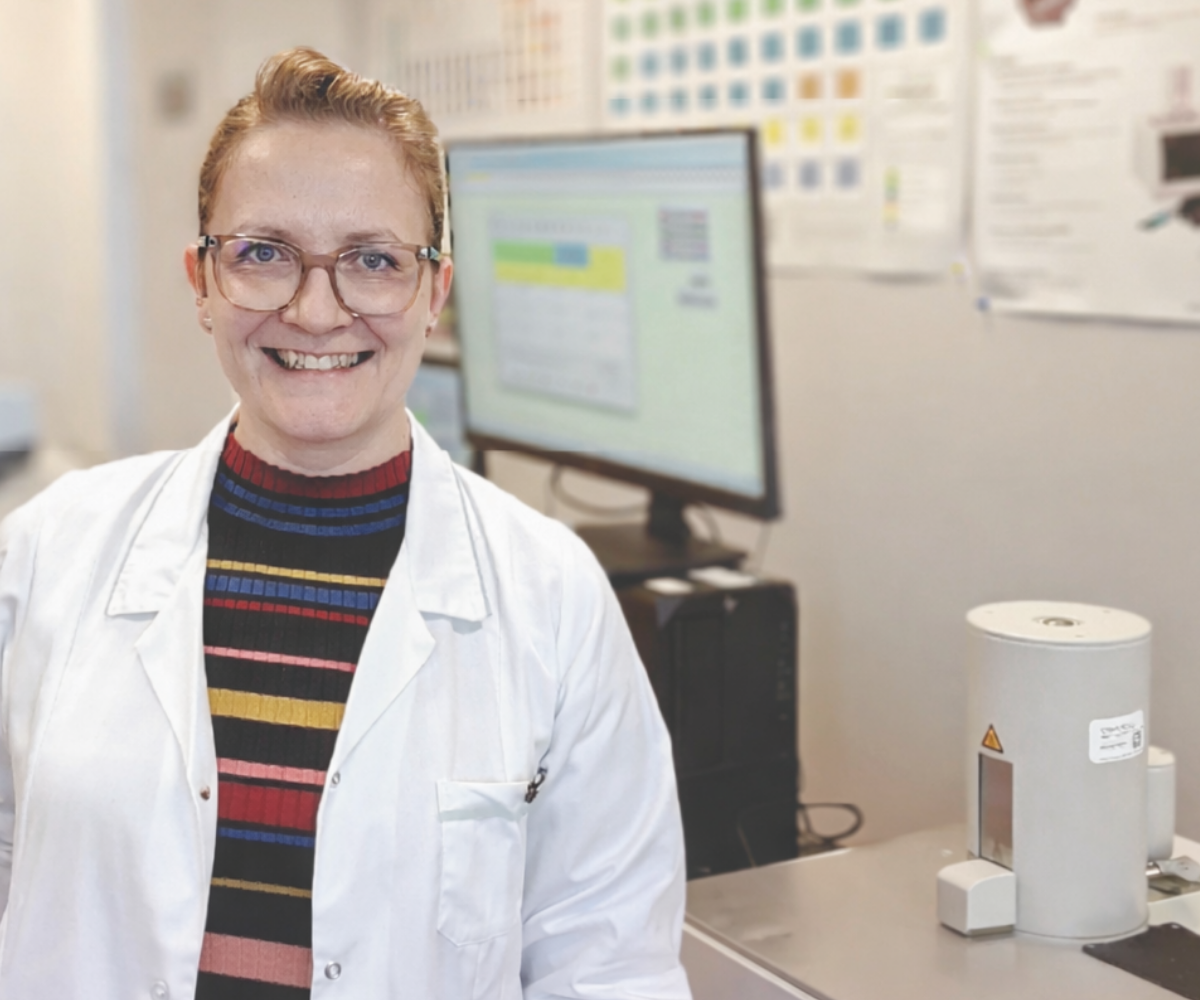
The research will be led by a team consisting of: Dr hab. Katarzyna Małolepsza-Jarmołowska, Dr Arleta Dołowacka-Jóźwiak, Dr Dorota Haznar-Garbacz, and MSc Agnieszka Gawin-Mikołajewicz from the Department of Pharmaceutical Dosage Form Technology, Faculty of Pharmacy at Wroclaw Medical University, along with students: Wiktoria Czarnik, Kinga Czyżewska, Maria Chmielecka, Zuzanna Dąbrowska, and Weronika Dębska.
Skin pH vs. disease exacerbation
The project authors emphasize that one of the earliest biomarkers indicating an impending disease flare is a change in skin pH. This occurs before visible symptoms such as redness, itching, or dryness appear.
“Skin pH is an indicator of whether the surface is more acidic, neutral, or alkaline,” the researchers explain. “Healthy skin is typically slightly acidic, which helps protect it from irritation, water loss, and the growth of bacteria and other microorganisms. When the pH changes, it can weaken the skin’s natural barrier and contribute to worsening skin conditions.”
Because this parameter significantly influences the course of skin lesions, regular monitoring can be valuable support in patients’ daily lives. A simple and rapid assessment is the goal of the project titled:
“An intelligent monitoring patch for patients with atopic dermatitis, acne, or psoriasis – a system for controlling and early detection of exacerbations based on skin pH changes,” which received funding from the FAST Programme organized by the Wrocław Academic Centre.
The concept involves developing a thin, flexible patch equipped with an indicator that changes colour depending on skin pH. This would allow patients to independently assess whether their skin’s condition remains within a normal range or is beginning to deviate.
“This non-invasive and user-friendly solution could help adjust both medications and skincare products to the current needs of the skin,” the researchers add.
Towards personalized therapy
In the experimental phase, the team plans to select appropriate polymer materials and a colorimetric indicator using only tested, market-available components recognized as safe and skin-friendly.
A key challenge will be designing a system that ensures a rapid and clearly visible colour change across the full pH range of the skin, while avoiding irritation. Another important element will be well-designed packaging, including instructions and a colour scale to facilitate easy interpretation of results.
The young researchers highlight the broad practical potential of the patch:
“It is intended not only for monitoring skin condition but also for assessing how cosmetics, water, topical treatments, or even air quality affect the skin.”
This could be particularly valuable for individuals with AD, psoriasis, or acne, who often struggle to choose appropriate skincare. In this sense, the project aligns with the growing trend toward more personalized approaches to therapy and everyday skin health management.
The first research results on the intelligent patch are expected within a year.
Photo: Tomasz Walow