Career Day – let’s talk about your future
2026-02-10
Lecture: Chemophenetics of the Cichorieae
2026-02-17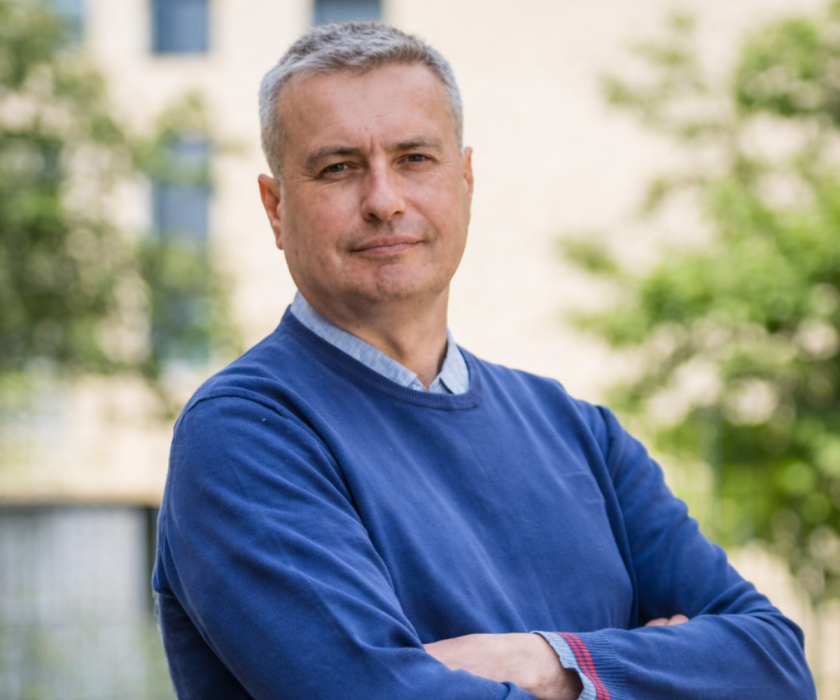
At Wroclaw Medical University, projects are underway that can have a real impact on the future of medicine. That is why we are launching a new series presenting research supported by nanogrants from the Young Science program. These are projects led by early-career researchers—initiatives rooted in current clinical challenges and responding to them through innovative concepts and bold research approaches.
Cancer Immunotherapy
Immunotherapy is currently one of the fastest-growing fields in biomedical science. Its goal is to harness and strengthen the natural potential of the immune system in the fight against cancer. Unlike classical therapies, immunotherapy does not act directly on cancer cells but instead supports the complex cellular machinery of the immune system in recognizing and eliminating them. As a result, immunotherapy focuses on three fundamental aspects:
- cellular – selection of immune system cells with antitumor activity;
- microvascular – assessment of pathological angiogenesis, along with the identification of factors that promote its normalization to enable more effective infiltration of immune cells;
- antigenic – evaluation and identification of biomarkers that stimulate antitumor immune responses.
This approach underpins the research conducted by Dr. Piotr Kupczyk from the Department of General and Experimental Pathology at the Chair of Clinical and Experimental Pathology. The aim of his work is to achieve a better understanding of immune response mechanisms in cancer, which in the future may contribute to the development of new immunotherapeutic strategies.
“One of the key research directions involves the use of cellular components of the immune system, in particular γδ T lymphocytes. Thanks to developed methods of their isolation and expansion, these cells can be administered locally within the tumor, where they exhibit strong cytotoxic properties and effectively destroy cancer cells,” explains Dr. Kupczyk. “These studies are being conducted together with Dr. Mateusz Speruda and in collaboration with Dr. hab. Grzegorz Chodaczek, leader of the Immunotherapy Research Group at the Polish Center for Technology Development – Łukasiewicz Research Network – PORT,” he adds.
As part of an OPUS grant from the National Science Centre (NCN), the team is investigating the potential of γδ T lymphocytes in the immunotherapy of glioblastoma multiforme. These cells represent a unique population of lymphocytes that function differently from classical αβ T lymphocytes. They can be isolated from unrelated donors and used allogenically, without restrictions related to MHC class I and without the risk of inducing graft-versus-host disease (GVHD). The ongoing research will allow for a more comprehensive assessment of their immunotherapeutic potential.
Tumor Microenvironment and Angiogenesis
In cancer, the ability of immune system cells to mount an effective antitumor response is also evaluated through their capacity to infiltrate the tumor microenvironment. A key role is played by the microvascular system, which in peripheral tumor regions is excessively developed and largely shaped by cancer cells. This promotes both tumor aggressiveness and its ability to form metastases.
“Microvessels are composed of vascular endothelial cells and surrounding mural cells, including pericytes. These cells determine vascular architecture and regulate many immune system functions. Under physiological conditions, the endothelium and pericytes form a selective, controlled system that cooperates with immune cells. In the tumor microenvironment, however, this system becomes disorganized, resulting in limited influx of immune cells into the tumor,” explains the young researcher.
In this area, Dr. Kupczyk is conducting research together with the University of Warsaw under the NCN SONATA BIS grant ‘Discovering the role of DMRTA2 in glioblastoma multiforme: epigenetic regulation, angiogenesis, and biomarker development’, worth PLN 5.5 million. The project is led by Dr. Marta Maleszewska. The research focuses on the role of the DMRTA2 protein in pericytes and its impact on tumor angiogenesis and immune cell infiltration.
UCHL1 as a Biomarker and Potential Therapeutic Target
In parallel, immunotherapy also involves the use of cellular antigens capable of stimulating tumor infiltration by immune cells and enhancing their cytotoxic activity. In this context, Dr. Kupczyk is leading a project funded by the Wroclaw Medical University subsidy for 2025 entitled ‘C-terminal ubiquitin hydrolase (UCHL1/PGP9.5) in the antitumor immune response in cutaneous melanoma’. UCHL1 is an enzyme regulating the ubiquitin-proteasome system, which controls protein stability and degradation. Dysregulation of this system is observed in many cancers, including cutaneous melanoma.
“I have been working on the UCHL1 protein since my PhD at the Institute of Immunology and Experimental Therapy of the Polish Academy of Sciences in Wrocław. Over time, publications appeared suggesting that UCHL1 regulates melanogenesis—a process crucial for melanocyte biology,” explains Dr. Kupczyk.
Analysis of clinical material showed that high UCHL1 expression correlates with a good prognosis: absence of metastases, good treatment response, low mitotic index, and high levels of T-cell infiltration. In contrast, tumors with poor prognosis lacked expression of this protein.
To further deepen the research, the scientist established collaboration with Prof. Barbara Seliger, Head of the Center for Translational Immunology at Brandenburg Medical School. Studies by Prof. Seliger’s team demonstrated that methylation of the UCHL1 promoter leads to silencing of its expression and increased tumor aggressiveness.
“Two unique melanoma cell lines—Buf1286 and FM6—that retain UCHL1 expression currently represent a valuable research model,” notes Dr. Kupczyk.
These results indicate that UCHL1 may serve not only as a prognostic biomarker but also as a potential therapeutic target actively engaging the immune system in the fight against cancer.
The research hypothesis further assumes that loss of UCHL1 may initiate epithelial-to-mesenchymal transition (EMT), leading to deregulation of key elements of the immune response, such as MHC class I and PD-L1, and consequently to weakening of immune surveillance.
Nanogrant – Goals and Perspectives
As part of the Nanogrant project (IDUB.E261.24.014), Dr. Kupczyk will participate in the international scientific conference TIMO: Tumor Immunology Meets Oncology, which will take place on 7–9 May 2026 in Brandenburg. Initiated by Prof. Barbara Seliger, the conference serves as a forum for knowledge exchange among leaders in immunotherapy and translational immunology research. Participation in the event will enable the expansion of scientific competencies, establishment of international collaborations, and support for the development of the research team currently being formed by Prof. Piotr Donizy, Head of the Department of General and Experimental Pathology.
Photo: Tomasz Walow
Text: Dorota Sikora