
Introduction: Philosophy and Purpose of the Program
Mentoring in the dynamic and demanding environment of the Medical University is more than just a form of support – it is a strategic investment in human capital and the foundation for shaping future generations of leaders in the world of science and medicine.
The program aims to create a space where experience meets potential and established knowledge becomes an inspiration for new discoveries. By building authentic, partnership-based relationships, we strive to strengthen our academic community and prepare its members to meet unique challenges, such as the pressure of clinical practice, the complexity of scientific research, and enormous professional responsibility.
In an academic context, we define mentoring as a voluntary, partnership-based relationship based on trust and mutual respect, with the overarching goal of supporting scientific, professional, and personal development. It is crucial to understand that this program is not a form of coercion or supervision, but a natural and mutually beneficial path of development. It is a process in which both parties engage of their own free will, ready to share their knowledge, experience, and perspectives.
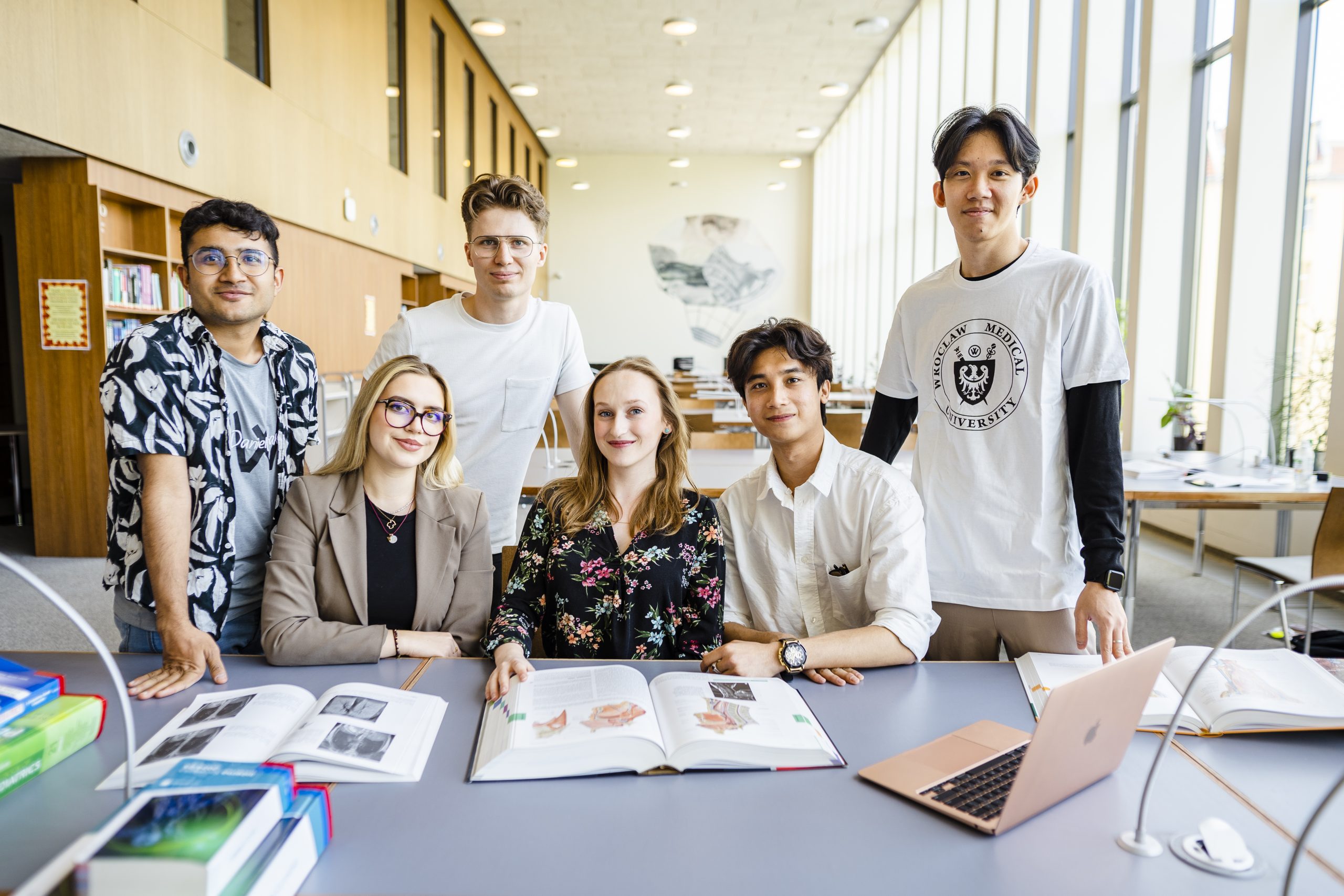
The program is open to:
Mentors - Experienced academic teachers, professors, and practicing physicians who wish to share their knowledge and support the development of younger colleagues.
Mentees - Ambitious students, doctoral students, and young researchers who are ready to actively acquire knowledge and shape their career paths.
Understanding the many benefits of this unique collaboration is key to realizing its full potential.

1. Mutual Benefits: Why Participate in the Program?
Mentoring is a deeply two-way process that brings measurable benefits to both the mentor and the mentee. It is a synergy that not only accelerates individual development, but also builds a stronger, more engaged, and collaborative academic community. This relationship goes beyond the simple transfer of knowledge, becoming a source of inspiration, satisfaction, and mutual enrichment in an ecosystem where scientific theory meets clinical practice.
Benefits for Mentees
-
Access to unique knowledge and experience
The opportunity to draw on the mentor's years of clinical and research practice, e.g., understanding the unwritten rules of article review, navigating clinical specialization paths, or dealing with ethical dilemmas when working with patients. -
Support in planning scientific and clinical careers
Obtain strategic advice on publications, grants, choosing specializations, and development paths. -
Networking
Access to the mentor's professional network in the medical and scientific community. -
Strengthening soft skills
Develop communication, leadership, and problem-solving skills in the context of working with patients and teams. -
Individual support and motivation
Receive encouragement and constructive feedback in moments of doubt and professional challenges, such as difficult shifts or research failures.
Benefits for the Mentor
-
Emotional satisfaction
A sense of fulfillment that comes from sharing knowledge and watching a young medical student or scientist avoid pitfalls and develop their potential. -
New inspiration and perspectives
Exposure to new ideas and the mentee's fresh perspective on clinical or research issues can stimulate your own scientific work. -
Increased self-esteem
Consolidating your position as an expert and authority in your field. -
Satisfaction of higher needs
Fulfillment of the need for self-actualization and social recognition, according to Maslow's theory. -
Opportunity to protect young scientists from mistakes
Providing practical guidance that can protect mentees from common pitfalls early in their careers.
To fully maximize these benefits, it is essential to understand the natural life cycle of a mentoring relationship, from its inception to its conscious conclusion.
2. The Life Cycle of a Mentoring Relationship: From Initiation to Termination
A mentoring relationship, like other professional relationships, goes through natural, predictable stages. Awareness of these phases allows both parties to consciously and constructively build the relationship and terminate it in a way that is satisfying and empowering for both sides.
2.1. Initiation Phase: First Steps
This is a crucial moment when the foundations of the future relationship are laid. The first meeting should be devoted to getting to know each other and, most importantly, to an open discussion about mutual expectations, goals (scientific, clinical, and personal), and boundaries. This is the time to determine whether there is “chemistry” and a shared vision for cooperation. It is recommended to discuss the preferred form and frequency of meetings, as well as the rules of communication and confidentiality.
2.2. Active Phase: Cultivation and Development
This is the main and longest stage of cooperation, during which development goals are pursued. It is extremely important that these goals come from the mentee (e.g., obtaining a grant, publishing their first article, or preparing for a specialization exam), and the mentor's role is to support, advise, and create opportunities for their achievement. This phase is based on regular meetings, open communication, and mutual trust. It is worth considering an informal agreement or a written action plan that defines key goals, a schedule, and rules of cooperation, which helps to keep the relationship on track.
2.3. Final Phase: Ending the Relationship
Every mentoring relationship has a natural end, most often associated with the mentee achieving their goals. It is important that this ending is a conscious process, accepted by both parties. This avoids the mentee feeling abandoned or that they have been used by the mentor. The final phase is an excellent time to summarize achievements, celebrate successes, and discuss the next steps in the mentee's career. A well-ended relationship often transforms into a long-lasting friendship.
The foundation of a successful active phase is effective meetings, which require proper preparation and the use of proven communication practices.

3. The Art of Effective Meetings: Tools and Best Practices
Regular and well-prepared meetings are at the heart of the mentoring process. Their quality, based on open and effective communication, directly translates into the success of the entire relationship and the pace of the mentee's development.
3.1. Verbal and Nonverbal Communication
Research by psychologist Albert Mehrabian has shown that in interpersonal communication:
-
7% – content of words
-
38% – tone of voice
-
55% – body language
This principle applies primarily in situations where words are inconsistent with tone of voice and body language, especially when communicating feelings and attitudes.
Active listening includes:
-
Eye contact – Maintaining eye contact shows commitment and respect.
-
Open body posture – Avoiding crossed arms and leaning toward the other person signals openness.
-
Paraphrasing – Repeating what the other person has said in your own words to ensure understanding.
-
Asking open-ended questions – Questions beginning with How?, What?, Why?
-
Summarizing – Summarizing key points to clarify next steps.
3.2. E-mentoring: Communication in the Digital World
Digital tools such as video conferencing, email, and instant messaging have become an integral part of mentoring. E-mentoring allows you to overcome geographical and time barriers, but it requires following a few rules to be as effective as face-to-face meetings.
3.3. Conducting a Conversation: Sample Questions
What character traits have helped you most in your academic and clinical career development?
How do you deal with setbacks in your research or in your work with patients?
What skills, apart from substantive knowledge, do you consider essential for a young scientist/doctor?
If you could turn back time, what one piece of advice would you give yourself at the beginning of your career?
How do you build and maintain your professional network?
What were the most painful or difficult decisions you had to make in your career?
How do you maintain a balance between your academic and clinical work and your private life?
4. Emotional Intelligence (EI) as the Foundation of Relationships
Emotional intelligence (EI) is a key competency in mentoring. It allows you to build authentic, empathetic, and supportive relationships that go far beyond a purely formal exchange of knowledge.
The Five Main Categories of Emotional Intelligence
1
Self-awareness
- Emotional awareness
- Self-confidence
2
Self-regulation
- Self-control
- Integrity
- Adaptability
3
Motivation
- Achievement orientation
- Commitment
- Optimism
4
Empathy
- Understanding others
- Service orientation
- Political awareness
5
Social skills
- Influence
- Communication
- Conflict management
- Relationship building
A mentor's high level of EI allows them to better understand the pressure a mentee is under and provide constructive feedback in a motivating way. High EI in mentees facilitates accepting constructive criticism and managing stress effectively, which is crucial in preventing burnout.
5. Resources and Support Materials
Characteristic |
Description |
Rating (0–5) |
| Responsibility for own development | Long-term focus on education and learning to ensure a high level of competence | |
| Openness to new challenges | Positive attitude towards creative ideas, proactive experimentation, and seeking new solutions | |
| Ability to accept feedback | Ability to improve performance and adjust work pace based on feedback | |
| Good organization and conscientiousness | Ability to set priorities, plan, and carry out activities | |
| Ability to set goals | Clearly defined goals, flexible plans, and commitment | |
| Total |
The higher your total score, the more ready you are to be an excellent Mentee.
5.2. Checklist for the First Meeting
- Mutual introductions – A brief overview of your academic/professional background, key achievements, and current research interests.
- Discussion of the mentee’s initial goals and expectations – What do you expect from this relationship? What 2–3 key goals would you like to achieve within the next 6–12 months?
- Establishing the framework of cooperation – How often will you meet (e.g. once a month, once a quarter)? What will be the preferred format of meetings (in-person, online, hybrid)? What will be the preferred communication channel between meetings (e-mail, phone)?
- Defining confidentiality principles – A clear agreement that all discussions are confidential, which helps to build trust.
- Defining roles and responsibilities – Who is responsible for preparing the meeting agenda (usually the mentee)? How will meeting summaries be prepared? Scheduling the date of the next meeting.
The mentoring program is a unique opportunity and investment in personal and professional development. It is a partnership that not only accelerates careers, but also builds lasting bonds and enriches the entire academic community of the Medical University of Wroclaw.
We encourage active participation and taking full advantage of this opportunity for mutual growth.